Top China Sports Equipment Trends Gym Owners Should Know

Time:2026-10-12 Author:Amelia
0%

China’s fitness market is changing quickly, and gym owners need more than attractive equipment catalogs. They need practical evidence, supplier reliability, and a clear view of member behavior. In busy urban gyms, members now expect compact machines, smooth digital features, and safer training spaces. A treadmill with quiet cushioning can matter as much as its speed range. A cable machine that saves floor space can improve daily traffic flow. Small details influence retention.

This guide examines Sports Equipment Industry Trends Every Gym Owner Should Know. It focuses on equipment developments emerging from China’s manufacturing and fitness sectors. These include connected strength systems, recovery tools, modular rigs, energy-efficient cardio machines, and equipment designed for smaller studios. Each trend deserves careful evaluation. Factory experience, product testing, warranty terms, and after-sales support should guide purchasing decisions. Certifications and user safety must remain central.

Not every new feature creates real value. Some digital consoles look impressive but receive little member attention after installation. That is worth questioning. Gym owners should compare maintenance records, training needs, noise levels, and long-term operating costs. Visiting suppliers, testing equipment personally, and speaking with experienced coaches can reveal problems that brochures hide. Reliable decisions take time. They also require honest reflection about the gym’s space, budget, and member profile. Trends may open opportunities, but thoughtful selection builds a stronger facility.
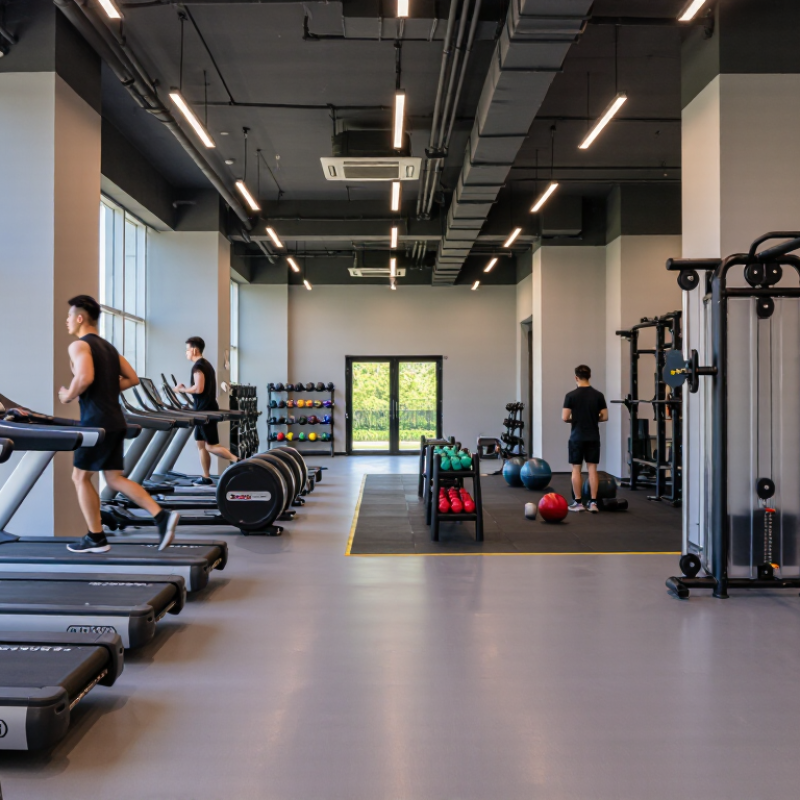
Top China Sports Equipment Trends Gym Owners Should Know

China’s Sports Equipment Market: Key Trends for Gym Owners

China’s sports equipment market is changing with urban lifestyles and smaller training spaces.

Gym owners increasingly seek compact, multifunctional machines that support strength, cardio, and mobility work. Connected equipment is also gaining attention, especially systems that track repetitions, heart rate, and workout progress. However, digital features should solve a real operational problem. A bright screen alone will not improve member retention.

Tips: Measure floor space before ordering equipment. Check power requirements, noise levels, warranty terms, and replacement-part access. Ask suppliers for safety documentation and clear maintenance procedures. Test cable movement, seat adjustment, and frame stability with different users. Local service support can matter more than a lower purchase price.

Recovery equipment is becoming more visible in Chinese gyms, including stretching stations, percussion tools, and low-impact training areas. These additions can serve older members and beginners without requiring large rooms.

Hygiene is another practical concern. Surfaces should be easy to clean after crowded evening sessions. I would not follow every new trend immediately. Some connected products create complicated data systems that staff rarely use.

A better approach is to trial one equipment category, record member feedback, and review repair frequency after several months. Gym owners should also consider accessibility, staff training, and safe user instructions. Small details matter, such as readable adjustment labels and storage space for loose accessories.

Smart Fitness Technology and Connected Training Equipment

China’s sports equipment market is moving toward smart fitness technology and connected training equipment. Gym owners are adding treadmills, bikes, strength machines, and recovery tools with built-in sensors. These systems track speed, heart rate, movement quality, and training volume. Members can view progress on a shared screen or personal device. The experience feels more personal, even in a busy training area.

During equipment trials, I have found that simple interfaces often outperform complex dashboards. Coaches need clear data, not endless graphs. Connected machines can also support remote programming and maintenance alerts. This helps staff notice unusual vibration, belt wear, or repeated user errors earlier. However, technology is not automatically useful. Some members still prefer manual controls and direct coaching. A few systems may also produce inconsistent readings. Regular calibration remains essential.

Tips: Test every connected feature with real members before installation. Check Wi-Fi stability near each training zone. Ask suppliers about data security, software updates, warranties, and offline operation. Keep an easy manual mode available. Train staff to explain metrics in plain language. Do not measure success by screen count alone. A quiet, reliable machine may serve members better than a highly automated one. Fitness technology should support good coaching, not replace judgment.

Space-Saving Machines for Modern Gym Layouts

Top China Sports Equipment Trends Gym Owners Should Know

Space-Saving Machines for Modern Gym Layouts

Modern gyms in China are prioritizing flexible layouts and efficient equipment placement. In my experience, compact machines help owners serve more members without creating crowded walkways. Foldable treadmills, wall-mounted cable stations, and adjustable benches can support several training styles. They also make cleaning and maintenance easier. Small details matter.

Multi-functional equipment is becoming increasingly practical for urban facilities. A single functional trainer can support rows, presses, pulldowns, and rehabilitation exercises. Selectorized machines with compact frames can replace several older units. Some newer designs also include vertical storage for handles, bands, and weight plates. However, saving space should not reduce movement quality. I have seen layouts fail when machines are placed too close together. Members need safe access, clear sightlines, and enough room to adjust their posture.

Tips: Measure every training zone before ordering equipment. Leave generous clearance around moving parts and emergency routes. Choose machines with simple adjustment points. Test noise levels during peak hours. Review the layout after several weeks, because real member behavior may expose problems that drawings miss. A smaller footprint is useful, but comfort still decides whether people return.

Sustainable Materials and Energy-Efficient Equipment

Top China Sports Equipment Trends Gym Owners Should Know

Sustainable Materials and Energy-Efficient Equipment

Sustainability is becoming a practical purchasing issue for Chinese gym owners. The United Nations Environment Programme reports that buildings consume about 34% of global energy and produce nearly 37% of energy-related carbon emissions. Fitness facilities add pressure through lighting, ventilation, showers, and continuously running equipment. Energy-efficient treadmills, bikes, and cross trainers can reduce unnecessary consumption through standby controls, efficient motors, and automatic power management. Small savings matter when dozens of machines operate daily.

Measure real usage.

Before purchasing, managers should record equipment energy consumption during peak and quiet hours. A simple plug-in meter can expose idle losses that sales materials rarely show. Equipment with regenerative resistance may also return limited electricity to the facility, although results depend on usage patterns and electrical design. The International Energy Agency’s Energy Efficiency 2023 report stresses that monitoring and operational controls are essential for lasting energy improvements.

Material selection deserves equal attention. Recycled rubber, responsibly sourced steel, repairable upholstery, and modular components can reduce replacement waste. The Ellen MacArthur Foundation has repeatedly identified durability and repair as core principles of a circular economy. Still, recycled content is not automatically sustainable. Some materials may release odors, degrade quickly, or lack reliable recycling routes. Gym owners should request composition data, maintenance guidance, and end-of-life plans. Perfect choices are unlikely. Better documentation is a useful start.

Customization, Safety, and Supplier Selection Considerations

China’s fitness market is becoming more demanding, not merely larger. The Health & Fitness Association’s 2024 Global Report recorded 184 million memberships across 27 markets and 96.7 billion dollars in industry revenue in 2023. That growth raises expectations for safer, more adaptable equipment. Customization should begin with user behavior, not color selection. A compact studio may need shorter cable travel, quieter weight stacks, and storage for small rooms. Adjustable benches, modular racks, and bilingual instruction labels can improve daily usability. ACSM’s 2024 Worldwide Survey also ranked wearable technology and strength training among leading fitness trends, supporting connected and resistance-focused equipment planning.

Safety must be checked before negotiation. Ask suppliers for load-test records, material specifications, welding inspection results, and maintenance instructions. Confirm whether equipment aligns with applicable requirements, such as GB 17498 or ISO 20957, and verify the latest edition locally. A practical inspection should include loose bolts, sharp edges, unstable feet, cable wear, and emergency-stop access. Small faults matter. A poorly positioned handle can change a safe movement into an awkward one.

Supplier selection requires more than a low quotation. Request a production sample, spare-parts list, warranty terms, and response times in writing. Visit the factory when possible, or use an independent inspection service. Check whether customization changes the tested structure. This is where many buyers become too optimistic. A beautiful prototype may perform differently after mass production. Record every specification, test the equipment with real users, and review failure feedback after installation. Pricing still matters, but predictable quality usually protects the gym’s reputation better.

Top China Sports Equipment Trends Gym Owners Should Know

Customization, safety, durability, and supplier selection considerations

This planning framework gives the greatest weight to safety and compliance, followed by customization and equipment durability. Gym owners should also verify load ratings, inspection records, warranty coverage, spare-parts availability, production lead times, and supplier quality-control procedures before placing an order.

FAQS

What does smart fitness equipment usually track?

It can track speed, heart rate, movement quality, and training volume. Members may view progress on a shared screen or personal device.

Does advanced technology always improve gym training?

No. Complex dashboards can distract coaches from useful information. Clear data often works better than endless graphs. Not every screen helps.

Why should connected machines support manual operation?

Some members prefer direct controls and personal coaching. Manual mode also helps when software, sensors, or internet connections fail.

How can connected equipment help gym staff?

Remote programming and maintenance alerts can reveal unusual vibration, belt wear, or repeated user errors. Staff can respond before small faults become expensive problems.

Why is calibration important for smart machines?

Sensors may produce inconsistent readings. Regular calibration improves trust in heart-rate, movement, and training data. Otherwise, precise-looking numbers may mislead users.

Which compact machines suit smaller gym spaces?

Foldable treadmills, wall-mounted cable stations, and adjustable benches save floor space. Multi-functional trainers can support rows, presses, pulldowns, and rehabilitation exercises.

How much clearance should gym owners leave around equipment?

Leave enough room for safe movement, posture changes, maintenance, and emergency routes. Machines placed too closely can create crowded walkways. Space drawings can deceive.

How should owners test a new gym layout?

Measure each training zone before ordering equipment. Test noise during busy hours and observe real member behavior for several weeks. My first layout might still be wrong.

Conclusion

China’s sports equipment market is evolving rapidly, creating new opportunities for gym owners who want to improve member experiences and operate more efficiently. The Sports Equipment Industry Trends Every Gym Owner Should Know include the growing use of smart fitness technology, connected training equipment, digital performance tracking, and personalized workout systems. These solutions can help gyms offer more engaging training while supporting better equipment management and member retention.

Modern gyms are also prioritizing space-saving machines that support flexible layouts and multifunctional training areas. Sustainable materials, energy-efficient designs, and equipment with lower operating costs are becoming increasingly important as businesses focus on long-term value. When selecting suppliers, gym owners should carefully evaluate customization options, product safety, durability, certifications, maintenance support, and delivery reliability. A thoughtful approach to equipment selection can help create a safer, more adaptable, and environmentally responsible fitness environment.

Amelia

Amelia

Amelia is a seasoned marketing professional with a wealth of expertise in our company’s core offerings. With an unwavering passion for driving growth and innovation, she plays a pivotal role in shaping our marketing strategies and enhancing brand visibility. A key aspect of her responsibilities......