Choosing rehabilitation equipment from China requires more than comparing prices or counting product features. Patients need safe, adjustable, and clinically sensible tools that support gradual movement. This guide examines China’s top ten sports equipment options for rehabilitation training, including resistance bands, balance boards, therapy bikes, rowing machines, recovery rollers, and low-impact strength systems.
How To Choose Sports Equipment For Rehabilitation Training depends on the user’s injury, mobility level, training goal, and professional guidance. A physiotherapist may recommend a soft resistance band for shoulder recovery, while a stable pedal exerciser may suit an older adult rebuilding knee movement. Look for clear load ratings, comfortable contact surfaces, precise adjustment systems, and easy-to-read instructions. Equipment should feel controlled, not intimidating.
Quality evidence matters. Reliable Chinese manufacturers should provide material information, batch records, product testing, and responsive after-sales support. Buyers should also check whether suppliers follow relevant safety standards and maintain consistent quality between samples and mass production. A factory visit or independent inspection can reveal details that online photos hide, such as loose stitching, rough edges, or unstable frames. Small faults matter.
This topic also requires honest reflection. “Top ten” does not mean perfect for every patient. A highly rated device may still be unsuitable without correct supervision or proper sizing. Clinicians, distributors, and users should review each product’s risks, maintenance needs, and realistic outcomes before purchase. Better choices come from evidence, practical experience, and careful testing—not attractive packaging alone.
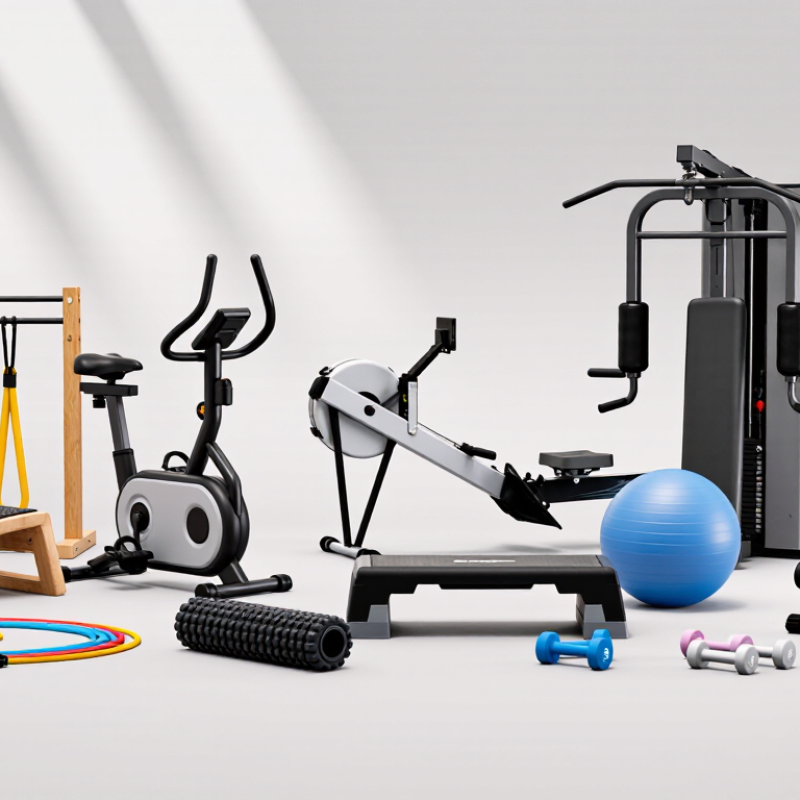
Rehabilitation equipment should follow the patient’s goal, not a popularity ranking. WHO reports that 2.4 billion people worldwide may benefit from rehabilitation services. The first decision is functional: improve walking, restore shoulder movement, build strength, or reduce fall risk. A post-stroke user may need parallel bars, balance pads, and a stable step. Someone recovering from knee surgery may require a stationary cycle, resistance bands, and adjustable strength equipment. These choices need professional assessment.
Measure before purchasing. Record pain, range of motion, walking speed, balance time, and training tolerance. The equipment should offer gradual resistance and clear safety limits. WHO’s 2020 activity guidelines recommend 150–300 minutes of moderate activity weekly for many adults, but rehabilitation should progress more slowly when symptoms increase. A report from the American College of Sports Medicine also keeps functional training among major fitness trends, supporting practical, movement-based equipment selection. Still, trend data cannot replace clinical judgment.
Tips: Match every device to one measurable outcome. Check handle diameter, platform stability, adjustment steps, and cleaning access. Leave enough space for a chair, caregiver, or walking aid. Avoid buying ten devices at once. Trial equipment with real users, because a perfect specification can fail in a small clinic. Reassess after two weeks. Some requirements will change.
Identifying the ten main types of sports rehabilitation equipment makes purchasing more practical. Each type supports a different recovery need.
Resistance bands build controlled strength around injured joints.
Balance boards challenge ankle stability on a non-slip surface.
Foam rollers reduce muscle tightness after exercise.
Therapy balls support gentle stretching and core activation.
Stationary bikes provide low-impact cardiovascular training with adjustable resistance.
Treadmills help patients rebuild walking rhythm and endurance.
Parallel bars offer safer support during early gait practice.
Pulley systems assist shoulder movement with measured resistance.
Treatment tables provide stable positioning for assessment and manual therapy.
Electrical stimulation devices may support selected muscle activation under professional supervision.
Selection should follow the patient’s diagnosis, movement tolerance, and rehabilitation stage.
An adjustable treatment table needs a firm surface, smooth height control, and easy cleaning.
A stationary bike should allow low resistance and comfortable seat adjustment.
Small details matter.
Slippery handles can reduce confidence.
Excessive resistance can delay recovery.
A short trial is useful before large-scale purchasing.
Ask whether patients can use the equipment correctly without repeated correction. That question is often overlooked.
Specifications alone cannot reveal poor fit, awkward controls, or uncomfortable positioning. Licensed therapists should confirm clinical suitability, safety procedures, and maintenance requirements before use.
How To Choose China Top 10 Sports Equipment For Rehab?
China’s rehabilitation equipment market offers many choices, but low prices can hide weak quality. The WHO’s Global Status Report on Physical Activity 2022 found that 31% of adults worldwide are insufficiently active. That figure supports growing demand for safe recovery tools. When evaluating Chinese manufacturers, request factory audits, material certificates, and batch-testing records. ISO 13485 certification is valuable for medical-device quality systems, although it does not automatically guarantee every product’s safety. Check the factory’s actual scope.
Inspect the materials closely. Resistance bands should show consistent thickness, controlled elasticity, and clean edges. Foam rollers need stable density and no strong chemical odor. Metal frames should resist corrosion, while handles must remain secure during repeated loading. Ask for fatigue, tensile, and weight-capacity tests from independent laboratories. For electrical equipment, review electrical-safety documentation and traceable serial numbers. China’s national standards may apply, but buyers should also compare relevant ISO, IEC, or ASTM requirements.
Small details matter.
A supplier may provide an attractive sample, then change materials during mass production. I have seen this risk overlooked. Approve a sealed reference sample and inspect random production units. Warranty terms, replacement parts, user instructions, and complaint records reveal more than polished photographs. No factory scorecard is perfect. Recheck performance after months of use, not only on delivery day.
Choosing China’s top ten sports equipment options for rehabilitation requires more than comparing prices or product photos. Safety comes first. Check load limits, frame stability, anti-slip feet, rounded edges, and secure adjustment pins. A rehabilitation bike should operate smoothly, while resistance bands need clear tension ratings and damage checks. Ask for certificates that match your destination market and equipment category. Do not assume one certificate covers every model. Verify test reports, inspection dates, serial numbers, and the responsible testing laboratory.
Customization can improve patient comfort and clinical efficiency. Request suitable seat heights, handle diameters, resistance levels, upholstery, colors, and instruction languages. Suppliers should explain which changes affect safety or warranty coverage. Support matters after delivery. Confirm installation guidance, spare-part availability, maintenance schedules, response times, and staff training. A reliable supplier provides readable manuals and traceable quality records. Vague promises are warning signs.
Tips: Test a sample with several users before placing a large order. Measure doorways and storage space. Ask for videos showing adjustment and cleaning procedures. Review the warranty in writing. A polished certificate PDF is not enough; documents can be incomplete, outdated, or unrelated to the exact model. Independent inspection adds confidence, although it increases time and cost. I would not ignore this trade-off. The cheapest option may become expensive when a small fault interrupts therapy.
The chart compares ten common rehabilitation equipment categories using a practical procurement checklist. Scores from 1 to 5 indicate the relative priority of safety standards, certification documents, customization, and after-sales support. These are evaluation priorities, not manufacturer or brand ratings. For powered equipment, request applicable ISO 20957 documentation; for electrically powered medical equipment, verify relevant IEC 60601-1 evidence, risk-management documentation under ISO 14971, quality-system information such as ISO 13485 where applicable, and any required China CCC or medical-device registration documentation.
Choosing rehabilitation equipment requires more than finding the lowest online price. Compare ten practical categories, such as resistance bands, balance pads, pedal exercisers, exercise bikes, pulley systems, foam rollers, ankle weights, grip trainers, therapy mats, and recovery supports. Each item should match a patient’s movement limits and therapy plan. A licensed physiotherapist can help confirm suitable resistance, size, and safety features. For example, a pedal exerciser should move smoothly, while a balance pad should remain stable on a hard floor.
Read reviews carefully. Look for repeated comments about stitching, slipping, noise, calibration, and delivery damage. One glowing review proves little. Check whether buyers mention several months of use. Compare the full cost, including shipping, taxes, replacement parts, and possible maintenance. A cheaper resistance band may crack quickly. That is not real value. Warranty length matters, but clear warranty conditions matter more. Some choices fail.
Tips: Measure storage space before ordering. Request material details and test reports from the seller. Choose equipment with adjustable settings when users have different strength levels. Inspect handles, seams, pedals, and fasteners before every session. Keep invoices and product instructions. If a review sounds too perfect, question it. Long-term value comes from safe design, dependable construction, and regular use, not impressive packaging or a temporary discount.
Check load limits, stable frames, anti-slip feet, rounded edges, and secure adjustment pins. Safety comes first. Test every fastener before use.
Request certificates matching the exact model and destination market. Check test dates, serial numbers, reports, and laboratory details. A polished PDF is not enough.
Common options include resistance bands, balance pads, pedal exercisers, therapy mats, pulley systems, and grip trainers. Each item must fit the patient’s movement limits.
Confirm clear tension ratings and inspect bands for cracks. A pedal exerciser should move smoothly, without sudden resistance or loud noise. Test it.
Ask about seat height, handle diameter, resistance levels, upholstery, colors, and instruction languages. Confirm whether changes affect safety or warranty coverage.
Look for repeated comments about slipping, stitching, noise, calibration, and delivery damage. Reviews covering several months are more useful. One glowing review proves little.
Include shipping, taxes, replacement parts, maintenance, and installation. A cheap band may crack quickly. That is not real value.
Confirm installation guidance, spare parts, maintenance schedules, response times, and staff training. Keep readable manuals and traceable quality records. Vague promises worry me.
Test a sample with several users. Measure doorways and storage areas. Request adjustment and cleaning videos. I might still underestimate daily wear.
Inspect handles, seams, pedals, fasteners, and bands before every session. Follow written cleaning instructions. Store equipment dry and avoid overcrowded spaces. Small faults matter.
Choosing the right rehabilitation equipment begins with clearly defining the user’s recovery goals, physical condition, training environment, and professional guidance needs. The process should consider ten main equipment categories, such as mobility trainers, resistance tools, balance devices, stretching aids, therapy tables, recovery supports, cardiovascular machines, coordination equipment, strength-training systems, and monitoring accessories. Each type should be matched to the intended rehabilitation stage and required exercise intensity.
When learning How To Choose Sports Equipment For Rehabilitation Training, buyers should carefully evaluate Chinese manufacturers, construction materials, durability, comfort, and product consistency. Safety standards, relevant certifications, customization options, user instructions, warranty terms, maintenance, and after-sales support are also important. Finally, compare prices with verified reviews, expected service life, replacement costs, and overall performance rather than choosing solely by the lowest price. A well-planned decision can improve training safety, support gradual recovery, and provide better long-term value.

IBL Sports