High-intensity workouts demand more than motivation and physical effort. They also require equipment that supports powerful, repeated movement without creating avoidable risks. A loose cable, cracked resistance band, or unstable bench can change a controlled exercise into a serious accident within seconds. Sports Equipment Safety Guidelines For High-Intensity Workouts help athletes, trainers, and gym users identify these dangers before training begins.
In practical settings, safety starts with a careful inspection. Check bolts, handles, straps, pedals, and adjustment pins. Look for frayed edges, unusual sounds, bent frames, or worn grips. Test the equipment with light pressure before adding heavy resistance. Proper footwear matters too, especially on smooth floors where sweat can reduce traction. Training areas should remain clear, well ventilated, and bright enough to reveal damage. A certified trainer or qualified fitness professional can provide valuable guidance, particularly when exercises involve heavy loads, jumping, or fast transitions. Reputable manufacturers and recognized fitness organizations also offer maintenance instructions and weight limits that should not be ignored.
Still, no checklist removes every risk. People rush. Equipment can appear safe while hiding internal wear. That is easy to miss. Personal experience should support, not replace, professional advice. Stop immediately when pain, dizziness, unusual weakness, or equipment instability appears. Review the setup again. This guide examines how equipment selection, inspection, maintenance, and responsible use can make high-intensity workouts safer, more consistent, and easier to trust. Safety is not dramatic. It is repeated attention.
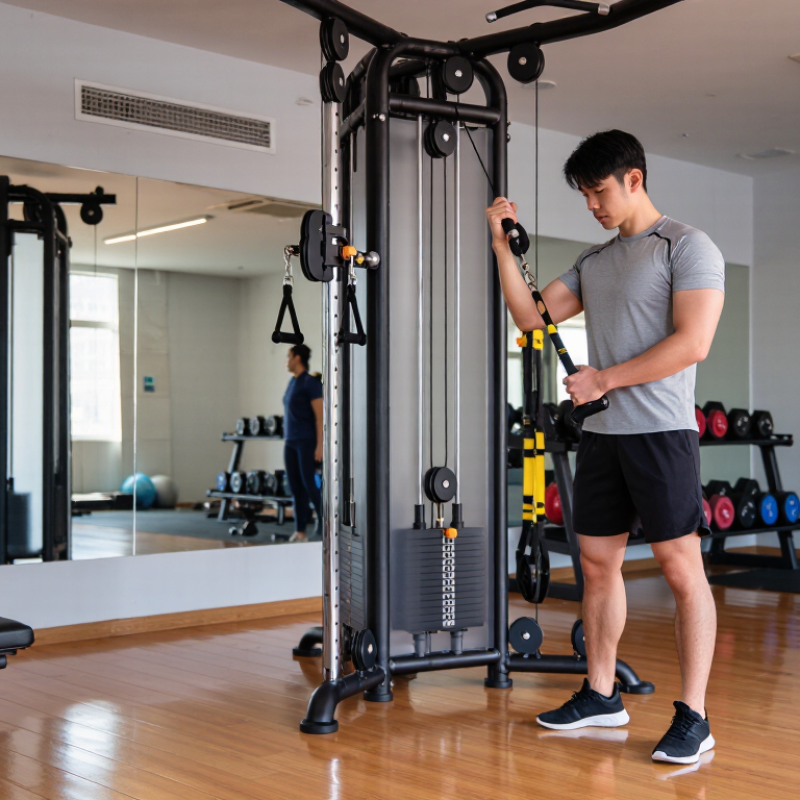
Defining Sports Equipment Safety for High-Intensity Workouts
Sports equipment safety means more than choosing strong-looking gear. It involves matching equipment to your workout, body, environment, and skill level. During high-intensity training, repeated impact and fast movement increase stress on handles, straps, floors, and joints. A secure surface should stay stable when shoes become damp. A resistance band should show no cuts, cracks, or stretched sections. Small damage can become serious during explosive movement.
A practical safety check takes less than two minutes. Test the equipment before increasing speed or resistance. Tighten adjustable parts and confirm that locking pins sit fully in place. Keep enough space for a full arm swing, especially near walls and furniture. Wear footwear with reliable grip, but do not assume grip prevents every fall. Follow the equipment instructions and seek qualified guidance when the setup feels unclear.
Safety also includes recognizing personal limits. High-intensity workouts can reduce coordination before muscles feel exhausted. That detail is easy to miss. Lower the load when your movement becomes uneven, noisy, or rushed. Stop if you notice sharp pain, unusual dizziness, or equipment movement. A clean appearance does not prove structural safety. No checklist catches everything, and even careful users can overlook worn stitching or a loose floor tile. Inspect equipment regularly, record defects, and remove questionable items from use until they receive proper evaluation.
Defining Sports Equipment Safety for High-Intensity Workouts
| Equipment Category | Primary High-Intensity Risk | Pre-Workout Safety Check | Safe-Use Indicator | Stop-Use Warning | Inspection Frequency | Risk Level |
|---|---|---|---|---|---|---|
| Treadmill | Falls, belt entrapment, sudden speed changes, and overheating during prolonged intervals. | Confirm that the belt is centered, the walking surface is dry, the power cord is undamaged, and the emergency-stop mechanism works. | Use the safety clip when provided, increase speed gradually, and keep a clear area behind the machine. | Stop immediately if the belt slips, hesitates, makes abnormal noise, or the emergency stop fails. | Before every use; detailed cleaning and inspection at least monthly. | High |
| Stationary Bike | Loss of balance, incorrect seat position, loose pedals, and knee strain from poor setup. | Check pedal attachment, crank movement, seat-post lock, handlebar stability, and resistance-control function. | Seat height allows a slight knee bend at the lowest pedal position; feet remain secure throughout the workout. | Stop if the seat or handlebars move unexpectedly, pedals wobble, or the frame rocks. | Before every use; inspect fasteners weekly in high-use settings. | Medium |
| Rowing Machine | Back strain, handle recoil, foot-strap failure, and sliding-seat instability. | Inspect the rail, seat rollers, handle and chain or strap, footplates, and foot-strap buckles. | Maintain a neutral spine, controlled recovery, and firm but comfortable foot positioning. | Stop if the chain or strap frays, the seat catches, or the footplate shifts. | Before every use; lubricate or service according to the equipment instructions. | Medium |
| Free Weights and Dumbbells | Dropped loads, crushed fingers, unstable lifting surfaces, and muscle or joint overload. | Check handles, collars, plates, storage racks, and the floor for moisture or obstructions. | Use a load that allows controlled movement and maintain a stable stance with adequate clearance. | Remove equipment with cracked handles, damaged collars, sharp edges, or loose plates. | Before every use; inspect plates, handles, and racks weekly. | High |
| Barbells and Weight Plates | Uncontrolled load movement, bar roll, plate dislodgement, and failed supports during heavy sets. | Check bar straightness, sleeves, collars, rack supports, bench stability, and plate condition. | Use suitable collars, secure the bar on both sides, and use a spotter or safety supports for challenging lifts. | Do not use bent bars, damaged supports, cracked plates, or collars that do not lock securely. | Before every use; detailed inspection weekly or after impact. | High |
| Resistance Bands and Tubes | Band snapback, sudden loss of resistance, anchor failure, and eye or skin injury. | Look for cuts, cracks, discoloration, thinning, stretched areas, and damaged handles or anchors. | Attach only to suitable anchors, keep the band away from sharp edges, and avoid overstretching it. | Discard bands with visible damage, tackiness, severe discoloration, or permanent deformation. | Before every use; replace immediately when damage appears. | High |
| Kettlebells | Grip loss, impact injuries, wrist strain, and accidental contact during swinging movements. | Check the handle for cracks, sharp edges, looseness, or excessive surface wear; clear the swing path. | Use a dry grip, maintain a stable base, and leave enough space for the full range of motion. | Stop if the handle is damaged, slippery despite cleaning, or the training area becomes crowded. | Before every use; inspect handles and flooring regularly. | High |
| Plyometric Box | Falls, ankle rolling, box tipping, and impact injuries during jumps or step-ups. | Verify that the box is level, stable, undamaged, and placed on a clean, non-slip surface. | Choose a height that permits a controlled landing and keep adequate clearance on all sides. | Do not use if the box rocks, has broken edges, separates at joints, or slides on the floor. | Before every use; inspect after relocation or impact. | High |
| Suspension Trainer | Anchor failure, strap damage, uncontrolled body movement, and falls. | Inspect straps, stitching, buckles, handles, door or beam anchors, and the supporting structure. | Test the anchor with gradual body weight before intense movement and keep straps clear of sharp surfaces. | Stop if stitching separates, buckles deform, straps fray, or the anchor shifts. | Before every use; inspect anchors and stitching frequently. | High |
| Exercise Mat and Flooring | Slipping, tripping, inadequate impact absorption, and loss of balance during rapid movements. | Check for curled edges, tears, moisture, uneven flooring, and objects within the movement area. | Use a clean, flat, non-slip surface with enough space for the planned exercises. | Remove mats with exposed foam, severe curling, tears, or persistent slipping. | Before every use; clean after use and inspect weekly. | Medium |
| Jump Rope | Trips, rope contact injuries, and collisions in shared training spaces. | Check the rope for fraying, handle damage, and correct length; remove obstacles from the area. | The rope passes over the head and under the feet without forcing excessive arm or shoulder movement. | Stop if the rope catches, handles loosen, or another person enters the swing area. | Before every use; replace when frayed or permanently kinked. | Medium |
| Pull-Up Bar and Dip Station | Structural failure, grip loss, falls from height, and shoulder overload. | Check mounting points, bolts, welds, grips, frame stability, and the surface below the station. | Test stability with partial loading before full bodyweight movements and use a controlled range of motion. | Do not use if the bar rotates, mounts move, welds crack, or grips become slippery. | Before every use; inspect mounting hardware regularly. | High |
| Protective and Support Gear | Reduced movement control, skin irritation, false confidence, or failure of worn protective components. | Check shoes, gloves, belts, wrist supports, and guards for correct fit, damage, moisture, and secure closures. | Gear supports the intended movement without restricting breathing, circulation, balance, or normal technique. | Remove gear that is torn, loose, excessively worn, or causing numbness or pain. | Before every use; replace according to condition and manufacturer guidance. | Medium |
Treadmill falls, crushed fingers, unstable benches, and loose clothing are common risks. Fatigue makes mistakes happen faster.
Fatigue can shorten a runner’s stride and weaken grip control. Some users step off while the belt still moves.
Check bolts, cables, pedals, belts, emergency stops, and floor clearance. Listen for unusual sounds. Small noises may matter.
Keep towels away from rotating parts. Tie back long hair. Remove loose jewelry and oversized clothing.
Increase speed or resistance gradually. Raising both together can overload knees and expose poor setup.
Stop the equipment immediately when safe. Ask the person to remain still, especially after a head, neck, or back impact.
Call local emergency services for severe bleeding, chest pain, breathing trouble, unconsciousness, or visible deformity. Do not force movement.
Apply firm pressure to external bleeding with clean gauze or clothing. Place a cold pack around swelling, not directly on skin.
Remove it from service. Record the machine, settings, damage, witnesses, and response time. The checklist may still miss something.
No. Fatigue, rushed instruction, and hidden defects can combine quickly. Our assumptions may need review, too.
Sports equipment safety for high-intensity workouts involves selecting, using, and maintaining gear that supports powerful movement while reducing the risk of injury. Sports Equipment Safety Guidelines For High-Intensity Workouts should address common hazards such as unstable surfaces, worn materials, incorrect sizing, poor adjustment, and equipment that is unsuitable for a specific activity. Choosing equipment according to the workout type, body size, skill level, and training environment can improve stability, comfort, and control.
Safe use also requires following instructions, checking equipment before each session, keeping workout areas clear, and replacing damaged or excessively worn items. Regular cleaning and proper storage can help preserve equipment performance. If an equipment-related injury or emergency occurs, stop exercising, secure the area, provide basic assistance when appropriate, and seek professional medical help for serious symptoms. Careful preparation and responsible habits make high-intensity training safer and more effective.

 IBL Sports