Choosing the right sports gear can significantly impact your training journey. Durable equipment ensures safety and enhances performance. With countless options available, selecting the best items can feel overwhelming. "How To Choose Durable Sports Gear For Long-Term Training" becomes a critical question for athletes at any level.
Consider factors like material quality and brand reputation. Look for gear that withstands the wear and tear of consistent use. Read reviews from other athletes. Their experiences provide insights that can guide your decision. Sometimes, we may overlook the importance of proper fit. Ill-fitting gear can lead to discomfort and injuries.
Making informed choices is essential. While price can be a factor, don't prioritize it over durability. Investing in high-quality sports gear will pay off in the long run. Take your time to research and reflect on your own needs. This is a crucial step that ensures your training remains effective and enjoyable.
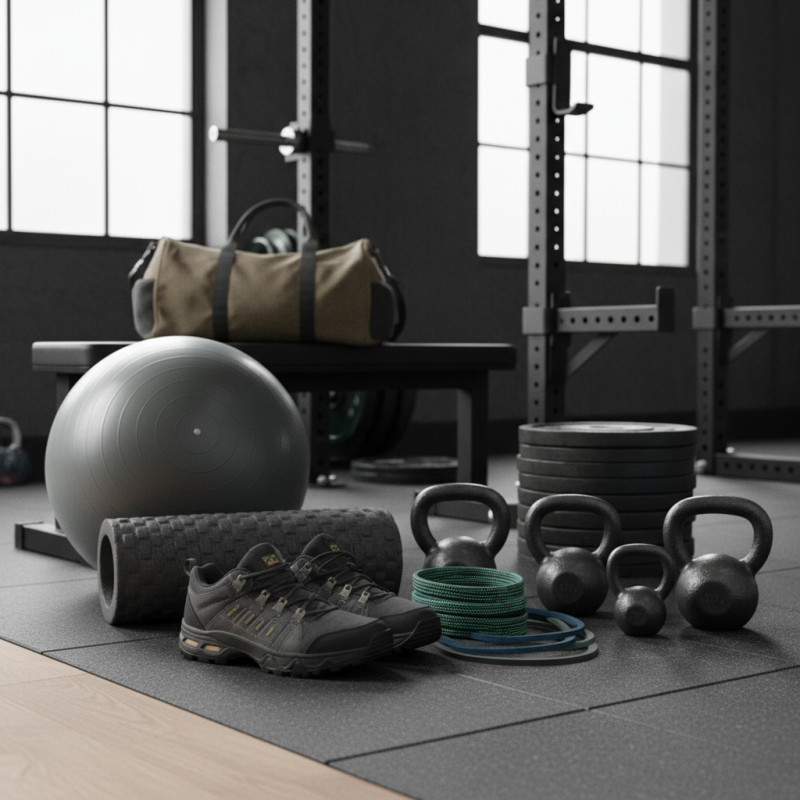
Durable sports gear is essential for effective training. It ensures safety and enhances performance. Without quality equipment, injuries can occur. Low-quality items may not withstand rigorous use. Investing in reliable gear leads to better results over time.
Understanding the importance of durability helps in choosing the right equipment. Well-made items provide support and comfort. They can also save money in the long run. Frequent replacements from wear and tear can be costly. Consider items that are suited for your specific activities.
Look for reviews from experienced athletes. Their insights can guide your choices. Not all gear is created equal, and personal experiences vary. Be cautious about flashy marketing. Focus on functionality and durability instead. Ultimately, the gear should match your training needs while standing the test of time.
When selecting durable sports gear, focus on the materials used in the equipment. High-quality fabrics, like polyester and nylon, offer resistance to abrasion and wear. These materials can withstand the rigors of training without losing functionality. Look for gear that incorporates breathable fabrics to ensure comfort during long sessions. Heavier materials may last longer, but they can limit mobility.
Don't overlook the importance of reinforced stitching and seams. This detail often indicates durability. Equipment that features double-stitched seams is less likely to tear. In addition, consider the type of cushioning used in footwear or protective gear. Memory foam provides comfort but may not last as long as denser materials. Evaluate your needs—if you're training intensively, prioritize durability over comfort.
Additionally, check for certifications or safety standards. Products that meet recognized criteria often ensure reliability. Research user reviews to gain insights about gear longevity. Remember that even well-made gear can perform poorly if not maintained properly. Regular cleaning and proper storage are essential for extending the life of your sports equipment.
This bar chart illustrates the durability ratings of various common materials used in sports gear. Ratings are based on factors such as resistance to wear and tear, overall lifespan, and maintenance needs. Higher ratings indicate more durable materials.
When choosing durable sports gear, evaluating brand reputation is critical. A strong reputation often indicates reliable quality. Research brands that excel in customer satisfaction. Look for products that withstand the test of time, specifically designed for rigorous training.
Reading reviews is essential. They provide insights from users who have tested the gear extensively. Check multiple platforms for diverse opinions. Some may highlight features that work well, while others might point out flaws. This variety helps paint a realistic picture.
Understand that no product is perfect. Even well-reviewed gear can have shortcomings. Some users may find certain materials uncomfortable over time. Be critical and weigh feedback carefully. Make informed choices by considering both positive and negative aspects of a product before deciding.
When selecting durable sports gear, testing and warranty considerations are crucial. Durability often impacts performance. It’s essential to choose gear that will withstand wear and tear. Look for products with thorough testing protocols. Many brands conduct rigorous trials to ensure their gear lasts. Inquire about the specific tests performed. Seek out details, such as whether equipment survived extreme temperatures or harsh conditions.
Warranties provide insight into a manufacturer’s confidence in their product. A solid warranty indicates they believe in the durability of their gear. Read the warranty carefully; it often specifies what is covered. Some warranties may only cover defects, while others might cover wear and tear. Ask about the claim process for clarity. Understanding these aspects can reveal the true durability of a product.
It’s also wise to research customer reviews. Users often share their experiences with specific gear over time. Look for patterns in the feedback regarding durability and warranty claims. Sometimes, even a well-reviewed product may fail under intense use. Balancing between user experiences and warranty provisions can help in making informed choices.
When it comes to sports gear, budgeting wisely is crucial. According to a recent report from the Sports & Fitness Industry Association (SFIA), 74% of consumers prioritize quality over price. Yet, finding the right balance can be challenging. Investing in more durable gear may seem expensive upfront, but it often leads to cost savings over time. For instance, a high-quality pair of running shoes usually lasts over 500 miles while cheaper options might only meet half that.
Training sessions can be tough on equipment. The average athlete may train several times a week, leading to significant wear and tear on their gear. Choosing durable materials, like reinforced seams and breathable fabrics, can prevent frequent replacements. The 2022 Sports Gear Durability Study noted that equipment with a higher durability rating has significantly lower lifetime costs. The failure to invest in robust gear can lead to unexpected expenses.
Quality gear can be a worthy investment. However, it’s essential to assess your training needs. While some items may appear costly, they might save money in the long run. Analyzing reviews and materials can guide you in making informed choices. Remember, not all expensive gear guarantees durability; understanding what constitutes quality is essential. Get educated, plan your budget wisely, and aim for that balance.
: Durable sports gear ensures safety and boosts performance during training. Poor quality equipment can lead to injuries.
Seek high-quality fabrics like polyester and nylon. They resist abrasion and offer longer-lasting functionality.
Look for breathable fabrics and appropriate cushioning. Comfort is key for long training sessions, but durability matters too.
Reinforced stitching and double-stitched seams often signal durability. Check these features when selecting your gear.
Yes, a strong reputation often indicates reliable quality. Research customer satisfaction to gauge overall performance.
User reviews are crucial. They provide real experiences and help identify both the strengths and weaknesses of the gear.
Absolutely. Even top-quality gear can underperform if not maintained properly. Regular cleaning and storage extend its life.
No, be wary of flashy marketing. Focus on functionality and durability rather than just appealing advertisements.
If discomfort arises, reassess your choice. Consider feedback from users about their experiences with comfort and durability.
Yes, check for certifications that meet recognized safety standards. This often ensures the reliability of the equipment.
Choosing the right sports gear is essential for effective training, and understanding how to choose durable sports gear for long-term training can significantly enhance your performance and experience. Durability in sports equipment safeguards against wear and tear, ensuring your gear withstands rigorous use. Key materials such as high-quality fabrics and robust construction techniques should be prioritized when selecting gear. Additionally, evaluating brand reputation through reviews can provide insights into the longevity of the products.
When selecting gear, testing and warranty considerations are crucial, as they indicate the manufacturer's confidence in their products. Lastly, it's essential to balance quality and cost; investing wisely in durable sports gear can save money in the long run, reducing the frequency of replacements. By following these guidelines, you can make informed choices that support your training goals and ensure that your equipment stands the test of time.

IBL Sports