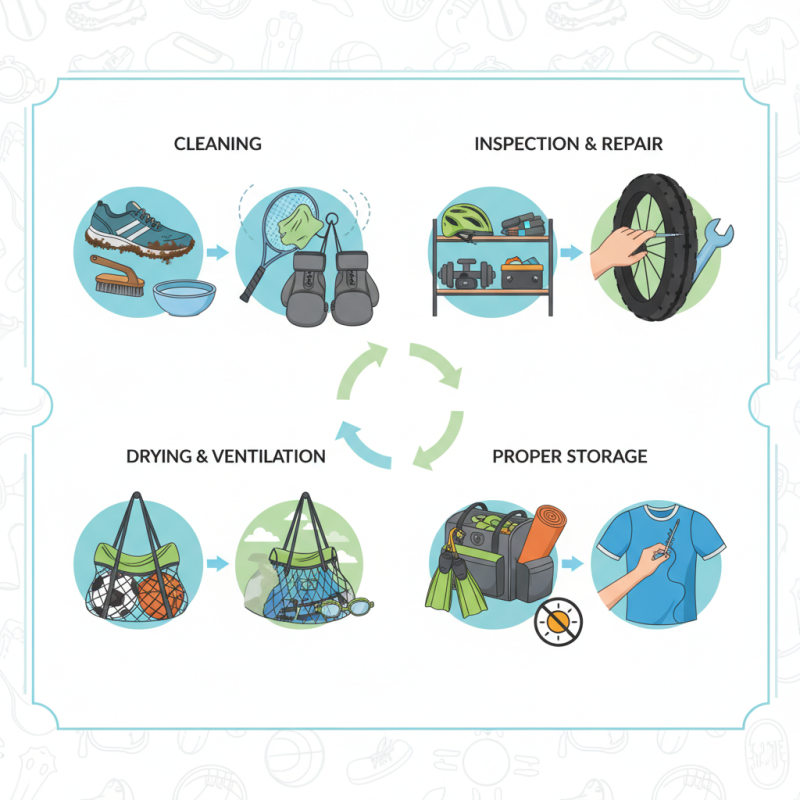
Proper care for sports equipment is essential for both performance and safety. Maintaining your gear, from running shoes to tennis rackets, can drastically improve its longevity. Sports Equipment Maintenance Tips For Longer Lifespan focus on practical strategies that anyone can adopt.
Many athletes put off maintenance, thinking it’s not necessary. Yet, regular cleaning and proper storage can prevent costly replacements. For instance, dirt buildup can wear out surfaces quickly. Additionally, using dedicated bags protects equipment from environmental damage.
Involving yourself in your equipment's upkeep shows commitment. It also fosters a deeper understanding of your gear. Neglecting maintenance can lead to reduced performance and injuries. Reflect on your habits and consider how they impact your equipment's lifespan. Embrace the journey of maintaining your sports gear for a better experience overall.
Understanding the Importance of Caring for Sports Equipment
Caring for sports equipment is often overlooked, yet it's crucial for longevity.
Regular maintenance can greatly extend the lifespan of gear. Simple actions, such as cleaning and inspecting equipment, are fundamental.
For instance, wiping down a tennis racket after every session prevents dirt buildup. Using proper storage methods keeps items safe and in great shape.
Understanding the importance of care goes beyond aesthetics. It reflects on performance and safety as well. Worn-out shoes, for example, can lead to injuries.
It can be easy to ignore minor scratches or dents, yet these imperfections can escalate. Taking time to examine gear helps catch potential issues before they worsen.
Establishing a routine for equipment inspection is beneficial.
Create a checklist to ensure no detail is missed. Remember, even the best gear requires attention. A proactive approach prevents degradation and enhances your overall sporting experience.
Reflecting on your equipment’s condition can lead to greater awareness of quality and usability.
Basic Cleaning Techniques for Different Types of Sports Gear
When caring for sports equipment, proper cleaning is crucial. Different materials require specific techniques to maintain their integrity. For example, synthetic fabrics in jerseys can harbor bacteria.
Washing these items in cold water with mild detergent preserves their quality. Always air-dry them to avoid shrinking or damaging the fabric.
For protective gear, like helmets and pads, wipe down surfaces with a damp cloth after each use. This helps remove sweat and prevents odor buildup.
Pay attention to seams and hard-to-reach areas, as these can accumulate dirt. Occasionally, a deeper clean with a gentle soap can refresh their appearance.
Many overlook the importance of cleaning shoes.
Dirt and grime can deteriorate the material over time. Regularly brushing off dirt and using specialized cleaner keeps them in shape. However, improper methods can lead to wear and tear.
Be cautious about the products you choose; not all are suitable for every type of shoe.
Mindful care leads to better performance and longevity; embrace the routine.
Storing Sports Equipment Properly to Prevent Damage
Proper storage of sports equipment is crucial for extending its lifespan. According to a report from the Sports Equipment Association, improper storage can reduce the durability of gear by up to 30%. Keeping equipment in a controlled environment helps prevent deterioration. A cool, dry place is ideal. Excessive heat and humidity can warp and rust items. For example, storing a bike in a damp garage can lead to rust on the chain and frame.
Using protective covers can further enhance safety. These covers keep dust and moisture away from valuable gear. Additionally, regularly cleaning equipment before storage can prevent mold and mildew. For instance, after using a paddle for kayaking, it should be rinsed and dried before putting it away. This small action can significantly reduce wear and tear.
Reflecting on storage practices reveals that many enthusiasts overlook simple methods. Creating a dedicated space for equipment can be beneficial. Hooks, shelves, and bins can organize gear effectively. A disorganized area increases the risk of accidents and damage. Neglecting these details often leads to costly replacements. Awareness of proper storage is essential in maintaining both safety and functionality in sports equipment.
Regular Maintenance Practices for Prolonging Equipment Life
Regular maintenance is crucial for prolonging the lifespan of sports equipment. Clean your gear regularly to remove dirt and sweat. For example, wipe down your tennis racket after every use. This simple task can prevent deterioration from moisture and grime. Also, check for any signs of wear or damage frequently. A small tear in a ball or a frayed string can lead to bigger issues later on.
It's essential to store equipment properly. If you leave your bike outside, weather damage can occur. Consider keeping it in a garage or a dry space. Don’t forget to inflate tires to the recommended pressure. Under-inflated tires can wear out quickly. Different types of equipment may have unique storage needs. Research these specifics to maintain optimal condition.
Inspecting and replacing parts when necessary is crucial. For instance, running shoes wear out over time. Ignoring this can lead to injuries. Reflect on your usage habits. Are you keeping track of how often you use your gear? Regular maintenance requires discipline. Make it a routine, and over time, your equipment will thank you by lasting longer and performing better.
Signs That Indicate When to Replace Sports Equipment
When it comes to sports equipment, recognizing the right time for replacement is crucial. For example, worn-out footwear can lead to injuries. A report from the Journal of Sports Science indicates that 70% of athletes have suffered an injury due to improper footwear. Look for signs like worn-out treads or discomfort. These indicators often mean it’s time for a new pair.
Similarly, check your protective gear. Helmets and pads have a lifespan based on materials used. According to industry standards, helmets should last around 3-5 years, depending on usage. Cracks, dents, or a loose fit are clear signs that replacement is needed. Even minor damage can compromise safety.
Another critical aspect is maintenance. Regular inspection can extend the life of your gear, but awareness of deterioration is essential. A recent survey noted that 60% of athletes don't perform routine checks. This oversight can lead to using unsafe equipment. Trust your judgment; if something feels off, it might be time to say goodbye.
How to Care for Sports Equipment to Extend Its Lifespan? - Signs That Indicate When to Replace Sports Equipment
| Equipment Type |
Care Tips |
Signs of Wear |
Replacement Indicator |
| Tennis Racket |
Clean after use, store in a padded bag. |
Strings fraying, frame cracks. |
If performance declines or grip loosens. |
| Soccer Ball |
Keep inflated, avoid sharp surfaces. |
Visible wear marks, air leakage. |
If it no longer holds air or shape. |
| Running Shoes |
Clean regularly, rotate pairs. |
Uneven wear, loss of cushioning. |
After 300-500 miles of use. |
| Bicycle |
Lubricate chain, check tire pressure. |
Rust, unusual noises. |
If components fail or brakes wear out. |
| Yoga Mat |
Wipe down after use, store rolled. |
Tears, loss of grip. |
If the surface becomes sticky or uneven. |
FAQS
: Caring for sports equipment extends its lifespan and enhances performance and safety.
Clean your gear after every use to prevent dirt buildup and damage.
Store equipment in a cool, dry place to prevent rust and warping.
Protective covers shield gear from dust and moisture, thus prolonging its life.
Look for worn treads or discomfort. These are clear indicators for replacement.
Helmets usually last 3-5 years, depending on use and wear.
Many forget to inspect gear regularly, leading to potential safety issues.
Use hooks, shelves, and bins to create a dedicated space for your gear.
Trust your instincts; if it's not right, consider replacing it.
Regularly inspect for damage and clean before storage to maintain safety.
Conclusion
Caring for sports equipment is crucial to ensure its longevity and optimal performance. Understanding the significance of proper maintenance can save athletes money and enhance their experience. Essential practices include employing basic cleaning techniques tailored to different types of gear, such as wiping down surfaces and using appropriate cleaning agents. Moreover, storing sports equipment correctly is vital to prevent damage, whether it’s keeping items in a dry place or using protective cases.
In addition to cleaning and storage, regular maintenance practices, such as inspecting for wear and tear, can significantly prolong the life of your equipment. Recognizing the signs that indicate when to replace sports gear is also an essential part of sports equipment maintenance. By following these Sports Equipment Maintenance Tips For Longer Lifespan, athletes can enjoy their gear for many seasons to come while ensuring safety and performance remain a priority.

 IBL Sports