Extreme weather conditions can pose significant challenges to the longevity and performance of sports equipment. Whether it’s the searing heat of summer or the chilling cold of winter, proper care is essential. Neglecting this can lead to costly damage and reduced performance on the field. This article offers essential "Sports Equipment Care Tips For Extreme Weather Conditions" to help athletes maintain their gear effectively.
Many athletes underestimate the impact of weather on their equipment. For instance, high temperatures can warp plastics or degrade adhesives. On the other hand, freezing temperatures can lead to brittleness. Understanding these aspects can prevent unexpected failures during crucial moments. Regular maintenance is not just important; it's a necessity in extreme conditions. Easy-to-miss details, like drying sweat-soaked gear after use, can save your equipment in the long run.
Ultimately, taking proper care of sports gear is both an art and a science. It requires attention and commitment. By following some practical care tips, athletes can enhance the lifespan of their equipment. This proactive approach is vital, especially when the elements are against you. It is a conversation starter about how much we often take good care for granted.
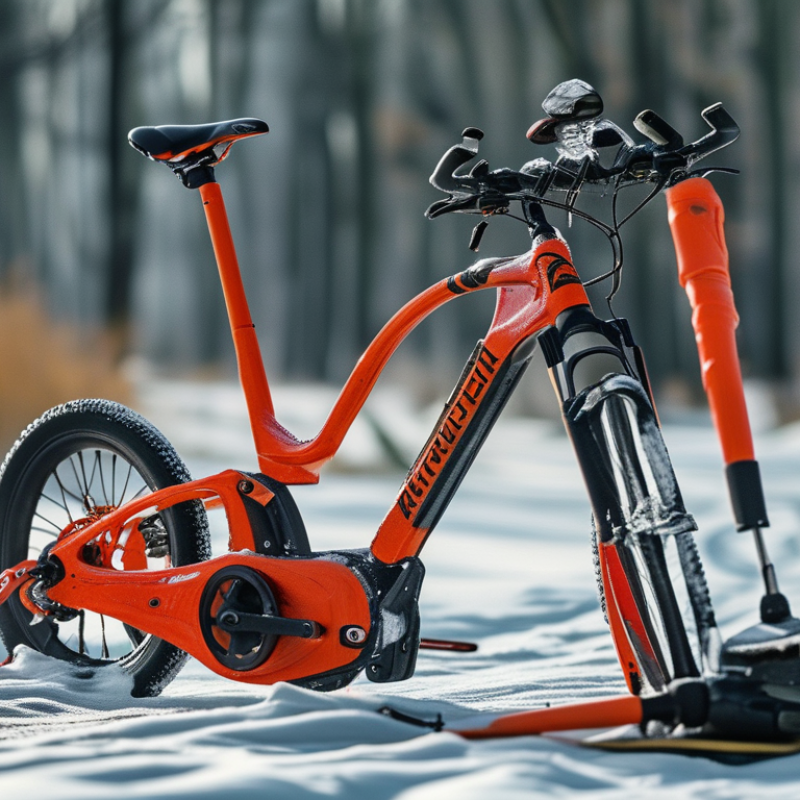
Understanding the Impact of Extreme Weather on Sports Equipment
Extreme weather can significantly affect sports equipment. For instance, high humidity can cause wood to warp. Similarly, intense heat can degrade plastics and rubber. Metal parts may rust if exposed to moisture. This means athletes need to be proactive about caring for their gear.
Proper storage is crucial. Keep equipment in a climate-controlled environment whenever possible. If storing outside, use protective covers. Regularly inspect your gear for signs of wear. Look for cracks or discoloration, which indicate potential damage. Clean your equipment after each use, especially after exposure to sweat or dirt.
Maintenance is not just about keeping up appearances. Neglect can lead to costly replacements. Repairing minor issues early can save both time and money. Athletes often overlook these details. Recognizing the impact of extreme weather ensures that gear performs well. This attention to detail can enhance both safety and performance in sports.
Essential Maintenance Practices for Cold Weather Conditions
Cold weather can take a toll on sports equipment, making proper care essential. Always clean your gear after use. Mud and moisture can freeze and damage items. A quick rinse with warm water and a soft cloth can make a significant difference. Remember to dry everything thoroughly to avoid rust or mold.
Storage is equally important. Keep gear in a dry, temperature-controlled area. Avoid leaving items in garages or basements prone to extreme cold. Use padded bags or covers to protect against scratches and impacts. It’s wise to inspect equipment regularly. Look for cracks, frays, or any signs of wear.
Don't forget to check batteries or electronic components. Cold can cause batteries to drain quickly. Ensure your devices are charged before heading out. A little preventative maintenance goes a long way. Effective care not only extends the life of your equipment but ensures your safety when you’re active in the elements.
Protecting Sports Gear from Humidity and Rain Damage
Humidity and rain can severely damage sports gear. Protecting your equipment is essential for performance and longevity. Moisture can lead to rust, mold, or deterioration. Here are some practical tips to help you maintain your gear during wet weather.
Always dry your equipment thoroughly after use. Wipe down metal parts to prevent rust. For synthetic materials, hang them to air dry. Avoid direct sunlight, as UV rays can degrade materials over time. For additional protection, consider using moisture-absorbing packets inside storage bags. These help reduce humidity levels around your gear.
Check your storage area regularly. It should be cool and dry. Poor ventilation can lead to mold growth. If you notice any signs of wear or damage, address them promptly. This will save you from more extensive repairs later. Remember, taking a few minutes after each use can prevent costly replacements down the road. Your gear deserves the best care, even when the weather doesn't cooperate.
Best Storage Solutions for Equipment in Hot and Dry Climates
Storing sports equipment in hot and dry climates poses unique challenges. High temperatures can degrade materials like rubber, plastic, and foam. For instance, studies indicate that extreme heat can reduce the lifespan of tennis rackets by up to 30%. Therefore, it's crucial to implement effective storage solutions to protect your gear.
One excellent tip is to use insulated storage containers. These can help maintain a stable internal temperature, shielding your equipment from extreme heat. Additionally, keep your items in a well-ventilated area to prevent moisture buildup, which can be common in storage. A dry environment helps to preserve the integrity of equipment, especially inflatable gear, which can be compromised by UV damage.
Moreover, consider regularly inspecting your equipment for signs of wear. Even with proper storage, heat can warp metal components or fade fabric. Allocate time to check for cracks or discoloration. Your diligence could significantly extend the life of your sports gear. Remember, taking proactive steps can be just as vital as using proper storage solutions.
Seasonal Tips for Inspecting and Maintaining Sports Equipment
When dealing with extreme weather, inspecting sports equipment becomes essential. Each season brings unique challenges that can affect gear performance. Whether it’s cold, heat, or rain, your equipment needs special attention.
In winter, ice can build up on poles and blades. Regularly check for cracks or chips. Ice can compromise integrity. Use protective wax on skis and snowboards to repel moisture. Consider storing them indoors during heavy storms to avoid freezing conditions.
During summer, heat can warp materials. Always examine the condition of your rackets and bikes. Extreme heat can lead to tire blowouts. Consider keeping equipment shaded when not in use. Moisture can also gather in humid climates, promoting mold. After use, dry your gear thoroughly.
Taking these seasonal precautions will elongate the lifespan of your equipment. Reflecting on how weather impacts performance is crucial. Maintain a regular inspection routine to catch potential issues before they escalate.
FAQS
: Rinse with warm water and a soft cloth. This prevents freezing and damage.
Proper storage protects against extreme temperatures and physical impacts.
Use a dry, temperature-controlled area. Avoid garages and basements.
Use padded bags or covers for added protection during storage.
Look for cracks, frays, and any signs of wear. This helps ensure safety.
Batteries can drain quickly in low temperatures. Always charge devices beforehand.
High temperatures can degrade materials like rubber and plastic, reducing lifespan.
Store in a dry, well-ventilated area to prevent UV damage and warping.
Use insulated containers to maintain a stable internal temperature for your gear.
It extends the life of equipment and ensures safety when active outdoors.
Conclusion
In extreme weather conditions, proper sports equipment care is essential to ensure longevity and performance. The article emphasizes understanding how extreme temperatures, humidity, and rain can affect various types of gear. For cold weather, essential maintenance practices include keeping equipment dry and performing regular inspections to avoid freezing damage. In humid or rainy conditions, protecting sports gear from moisture buildup is crucial, as it can lead to mold and degradation.
Furthermore, best storage solutions for hot and dry climates include keeping equipment in shaded areas and using protective covers to prevent sun damage. Seasonal tips for inspecting and maintaining sports equipment highlight the importance of a proactive approach to care, ensuring equipment remains in optimal condition despite environmental challenges. These Sports Equipment Care Tips For Extreme Weather Conditions serve as a guide for athletes and enthusiasts to safeguard their gear through all seasons.

 IBL Sports