In recent years, the fitness industry has seen a significant shift toward sustainability. This shift is evident in the growing focus on eco-friendly sports equipment trends in modern fitness. Experts are optimistic about this change. Dr. Anna Green, a leading authority in sustainable sports science, once stated, “Eco-friendly gear is not just a trend; it's a necessity for a healthier planet.” Her words encapsulate the urgency of aligning our fitness practices with environmental stewardship.
Fitness enthusiasts are now choosing eco-conscious options, from biodegradable yoga mats to recycled water bottles. The demand for sustainable products is rising. Consumers are more informed today, seeking brands that prioritize environmental responsibility. This movement reflects a broader cultural shift toward sustainability, influencing not just products but also consumer behaviors.
While the push for eco-friendly sports equipment is commendable, challenges remain. Not all products marketed as eco-friendly are truly sustainable. Consumers must navigate greenwashing and ensure their choices have a real positive impact. The journey toward integrating eco-friendly sports equipment trends in modern fitness is ongoing but vital for a sustainable future.
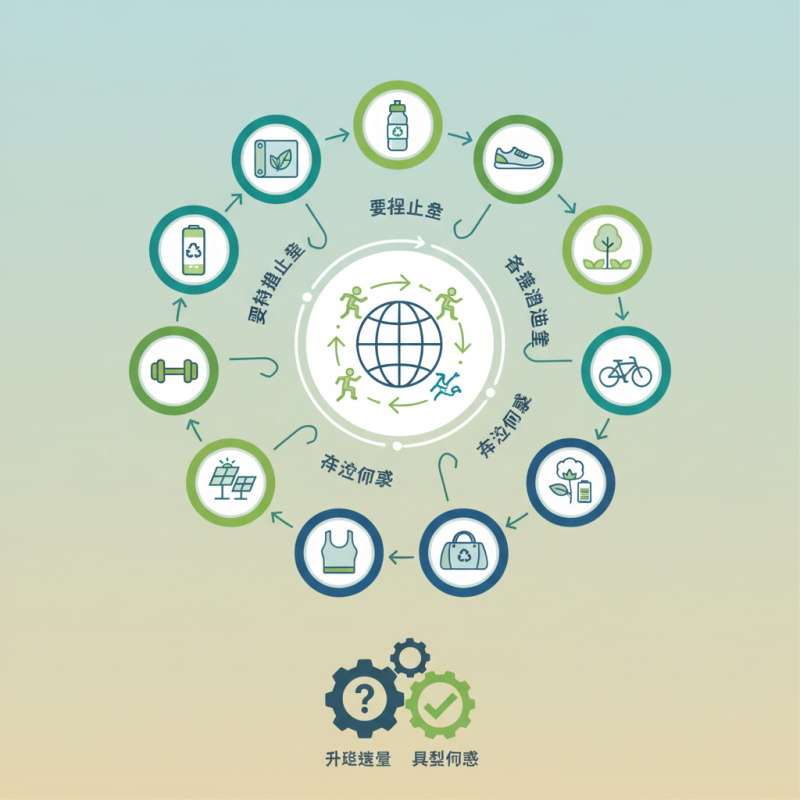
The evolution of sports equipment is heavily influenced by innovative materials. Modern fitness trends emphasize eco-friendliness. This shift aims to reduce environmental impact and promote sustainability.
Many companies are now utilizing recycled plastics in their designs. These materials help create durable gear without the carbon footprint associated with new plastics. Bamboo and hemp are also gaining popularity. Both offer lightweight and biodegradable options. These natural fibers contribute to sustainability while ensuring optimal performance.
Tips: Consider gear made from upcycled materials. They often perform just as well as traditional products. Look for certifications that confirm environmental claims. Choosing eco-friendly equipment may also enhance your workout experience.
Pay attention to the life cycle of your equipment. Wear and tear can occur, and finding the right balance is essential. Reflect on how often you replace your gear. Sustainable choices can lead to less waste and a healthier planet.
| Trend | Description | Material Used | Environmental Impact |
|---|---|---|---|
| Biodegradable Yoga Mats | Mats that break down naturally after disposal. | Natural rubber, jute | Reduces landfill waste. |
| Recycled Water Bottles | Bottles made from recycled plastic materials. | RPET (Recycled Polyethylene Terephthalate) | Conserves resources by reusing materials. |
| Sustainable Running Shoes | Shoes designed with eco-friendly practices in mind. | Organic cotton, recycled foams | Minimal carbon footprint in production. |
| Eco-Friendly Bicycles | Bicycles manufactured from sustainable materials. | Aluminum, bamboo | Promotes sustainable transportation. |
| Biocomposite Sports Equipment | Equipment made from renewable and biodegradable materials. | Plant fibers, bio-resins | Reduces reliance on fossil fuels. |
| Natural Surfboards | Surfboards made from eco-friendly materials. | Epoxy resin, bamboo | Decreases ocean pollution. |
| Plant-Based Helmets | Helmets made from plant-derived materials. | Soy-based foam, flax fibers | Lower environmental impact compared to traditional helmets. |
| Organic Cotton Apparel | Sports clothing made from organic cotton. | Organic cotton | Reduces chemical use in agriculture. |
| Biodegradable Tennis Balls | Tennis balls designed to decompose naturally. | Natural rubber and felt | Reduces waste in sports facilities. |
: Growing awareness of environmental issues is driving demand. Consumers prefer products made from recycled materials.
About 72% of consumers prefer products made from recycled materials.
Yoga mats made from discarded rubber have seen a significant increase in sales.
Yes, 62% of fitness enthusiasts are willing to spend more on sustainable options.
There are concerns about durability and quality of recycled materials. Not all perform well enough.
Technology helps track environmental impact. Apps provide insights into choosing eco-friendly gear.
Yes, some devices track energy consumption and resource usage during workouts.
No, some equipment may come from non-sustainable sources, raising questions about true eco-friendliness.
Consumers should evaluate both materials and manufacturing processes of products consciously.
Balancing performance with eco-friendliness can be challenging. Innovative thinking is needed.
The article "Top 10 Eco-Friendly Sports Equipment Trends for Modern Fitness" explores significant advancements in the fitness industry that prioritize environmental sustainability. It highlights the innovative materials being used in eco-friendly sports equipment design, which not only enhance performance but also reduce environmental impact. Moreover, the rise of sustainable manufacturing practices is redefining how fitness gear is produced, promoting a greener approach to sports equipment.
Additionally, the growing popularity of recycled and upcycled sporting goods among consumers reflects a shift towards more environmentally responsible purchasing habits. Advancements in eco-conscious supply chain management further support this trend, ensuring that the entire lifecycle of sports equipment aligns with sustainability goals. Finally, technology plays a crucial role in promoting these eco-friendly sports equipment trends in modern fitness, enabling brands to innovate while maintaining a commitment to environmental stewardship.

 IBL Sports