Choosing the right sports equipment for youth training can significantly impact a young athlete's development. Jim McCarthy, an expert in youth sports training, emphasizes, "The right gear can enhance performance and ensure safety." When considering how to choose sports equipment for youth training programs, several factors must be taken into account.
First, the equipment must be age-appropriate. This includes size, weight, and complexity. For instance, larger footballs or heavier weights may overwhelm younger athletes. Consider the child's physical abilities and skill level to ensure a good fit. Investing in proper gear is essential. However, it's also crucial to regularly assess and update equipment as the child grows.
Moreover, safety cannot be overlooked. Equipment must be durable and meet safety standards. Some parents might opt for cheaper alternatives. While cost-effective, this can lead to injuries if equipment fails. Inadequate gear often leads to frustration and reduced enthusiasm for sports. By prioritizing quality and fit, youth can develop confidence and passion for their chosen activities.
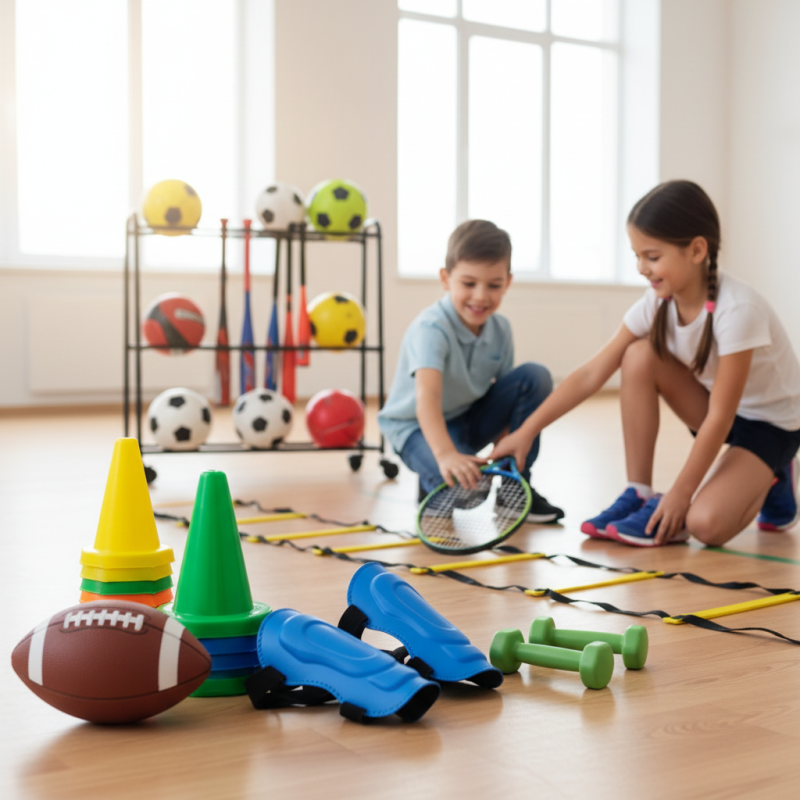
Understanding the Importance of Appropriate Sports Equipment for Youth
Choosing suitable sports equipment for youth training is crucial. The right gear ensures safety and enhances performance. According to the Sports & Fitness Industry Association, proper equipment can reduce injury rates by up to 40%. Young athletes are still developing, making equipment selection vital for their growth and skill development.
When selecting sports equipment, prioritize fit over brand. A well-fitted item provides better support and comfort. Research indicates that youth who feel comfortable in their gear are more likely to engage in sports consistently. Comfort matters. Avoid gear that is too tight or causes discomfort, as this may lead to a negative experience.
Tips for selecting sports equipment:
- Try before buying. Always allow young athletes to test equipment.
- Research safety standards. Ensure the equipment meets all safety regulations.
- Seek expert advice. Consult coaches or experienced athletes for recommendations.
Not all equipment will perfectly suit every individual. Encourage youth to express discomfort or issues with their gear. Feedback is essential for improvement. Sometimes, cut corners on quality may seem tempting, but it can result in long-term problems, like injuries. Ultimately, investing in appropriate equipment can lead to better performance and a more enjoyable experience for young athletes.
Identifying the Specific Needs for Different Youth Sports Disciplines
When selecting sports equipment for youth training, understanding the specific needs of different sports is crucial. Every sport requires unique gear that affects performance and safety. For instance, soccer players need cleats that provide traction on grass, while basketball players benefit from shoes with ankle support. A report by the Sports & Fitness Industry Association states that around 30% of injuries in youth sports are due to improper equipment. This highlights the importance of choosing the right gear tailored to each discipline.
Coaches and parents should prioritize durability and suitability. For example, baseball bats vary in weight and length, influencing a young player's swing. A study indicated that using the wrong size bat can decrease performance by 20%.
Additionally, awareness of age-appropriate gear is essential. Children grow quickly, and their equipment must adapt. Many underestimate how a simple choice, like the right size helmet in football, can significantly impact safety and performance. It’s vital to stay informed and reassess selections regularly as children develop and advance in their skills.
Evaluating Quality and Safety Standards in Sports Equipment
When selecting sports equipment for youth training, quality and safety are paramount. A report from Safe Kids Worldwide highlights that injuries related to sports can be significantly reduced through proper equipment usage. Gear should meet industry safety standards like those set by the American Society for Testing and Materials (ASTM). This ensures that the equipment is not only functional but also safe for young athletes.
Tips for evaluating sports equipment include checking for certification labels. Always look for clear indications of safety compliance. Also, consider the age and skill level of the youth athlete when choosing equipment. This could mean selecting lighter gear for younger children to promote skill development without risking injury.
Focusing solely on brand names can be misleading. Remember, quality isn't always tied to price. Parents should inspect the materials and construction of each item. Are there frayed edges or weak spots? These details matter. Finally, involve young athletes in the selection process. It encourages responsibility and ensures they feel comfortable with their gear.
How To Select The Best Sports Equipment For Youth Training - Evaluating Quality and Safety Standards in Sports Equipment
| Equipment Type |
Material Quality |
Safety Standards |
Recommended Age Group |
Price Range ($) |
| Soccer Ball |
Synthetic Leather |
FIFA Quality Pro |
6-18 years |
20-50 |
| Basketball |
Rubber |
NBA Approved |
8-16 years |
15-35 |
| Tennis Racket |
Graphite |
USTA Approved |
7-18 years |
30-80 |
| Baseball Glove |
Leather |
NCAA Approved |
6-17 years |
25-75 |
| Swimming Goggles |
Polycarbonate |
ANSI Z87.1 Certified |
5-15 years |
10-25 |
Budgeting for Youth Sports Equipment: Cost-Effective Choices
When budgeting for youth sports equipment, focusing on cost-effective choices is essential. According to the Sports & Fitness Industry Association, youth sports participation has increased, leading to a rise in demand for affordable equipment. However, parents often face pressure to buy the latest and greatest gear, which can be overwhelming and costly.
One approach is to prioritize multifunctional equipment. For instance, a single soccer ball can serve multiple purposes for various training drills. This not only saves money but also ensures that kids develop a range of skills. Research shows that spending smarter can reduce overall expenses by 30%. In addition, considering second-hand options can help save costs significantly. Many youth programs offer rental equipment or trade-in events, which can be beneficial.
It's crucial to balance quality and affordability. Investing in high-quality items for essential sports can provide better performance and longevity. However, it's easy to go overboard. Sometimes, less expensive options perform just as well, which begs the question of what is truly necessary. Reflecting on these choices may help parents make informed decisions without breaking the bank.
Tips for Sizing and Fit: Ensuring Proper Equipment for Young Athletes
Selecting sports equipment for youth training is crucial for young athletes' development and safety. Proper sizing and fit can significantly impact performance and prevent injuries. According to the National Athletic Trainers' Association, around 45% of sports injuries in youth can be attributed to improper equipment fit. It is essential to invest time in ensuring that gear is suitable for the child's size and skill level.
When purchasing equipment, always refer to sizing charts provided by manufacturers. Each sport has different requirements. For example, a soccer ball must be age-appropriate in size to enhance skill development. Inadequate equipment can hinder progress. Research indicates that children using the wrong size can face issues like decreased confidence and skill frustration.
Regularly check the fit as young athletes grow quickly. A snug fit is often ideal for shoes, while room to grow is acceptable for protective gear. Parents should encourage kids to voice discomfort. This open dialogue fosters a positive training experience. In the end, investing in properly fitted equipment is vital. It boosts performance and helps prevent injuries during training.
Best Sports Equipment for Youth Training: Sizing and Fit
This chart illustrates the recommended sizing for various sports equipment for youth athletes. Proper fit is crucial for safety and performance.
Conclusion
Selecting the right sports equipment is crucial for the success and safety of youth training programs. Understanding the importance of appropriate gear ensures young athletes can perform optimally while minimizing the risk of injury. Each sport has unique requirements, and recognizing these specific needs allows for tailored equipment choices that enhance training effectiveness.
When considering how to choose sports equipment for youth training programs, evaluating quality and safety standards is essential. Additionally, budgeting effectively can help parents and coaches find cost-effective options without compromising on safety and performance. Proper sizing and fit also play a vital role in ensuring that young athletes are comfortable and can move freely, which further aids in their development and enjoyment of the sport. By taking these factors into account, stakeholders can make informed decisions that contribute positively to youth athletic experiences.

 IBL Sports