Sports Equipment Innovations Transforming Athletic Training How?

Time:2026-05-22 Author:Mason
0%

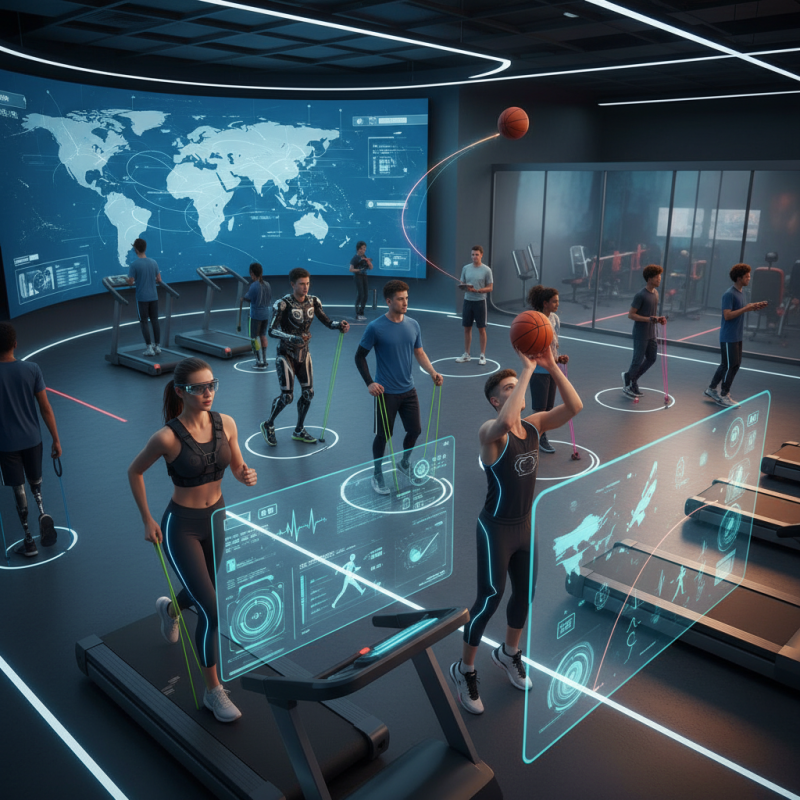
In recent years, sports equipment innovations have significantly transformed athletic training. These advancements introduce new methodologies, enhancing performance and safety for athletes. Innovative gear like smart wearables and advanced training tools provide real-time feedback. They help athletes refine their techniques and monitor their progress.

Sports equipment innovations changing athletic training also highlight the importance of personalization. Each athlete has unique needs that require tailored solutions. The rise of custom-fitted gear ensures a better fit, preventing injuries and improving comfort. Additionally, many new technologies emphasize data collection, enabling coaches to develop more effective training programs.

Despite these advancements, it's essential to acknowledge the challenges. Not all innovations are accessible to every athlete. High costs can limit availability, leading to disparities in training opportunities. As we navigate this evolving landscape, reflection on these inequalities will help us advocate for improvements in accessibility and inclusivity.
Sports Equipment Innovations Transforming Athletic Training How?

Advancements in Wearable Technology for Enhanced Performance Tracking

Recent advancements in wearable technology have transformed athletic training. Athletes now use devices that track heart rate, calories burned, and overall movement. These insights enable coaches and trainers to fine-tune performance strategies effectively. Wearable technology helps identify strengths and weaknesses. Yet, reliance on data can lead to over-analysis.


The devices range from smartwatches to specialized sensors embedded in clothing. They provide real-time feedback during workouts. This immediate data allows athletes to adjust their training pace. However, some athletes may become fixated on the numbers. This can overshadow the importance of instinct and intuition in sports.


Wearable technology enhances performance tracking significantly. It fosters a data-driven approach in athletic training. Yet, it is crucial to balance tech use with traditional training methods. Relying solely on gadgets can lead to missed opportunities for personal growth. Athletes should combine innovation with their unique training styles.

Smart Materials Revolutionizing Gear Durability and Athlete Comfort

The world of athletic training is undergoing significant transformations, particularly through the use of smart materials. These materials are designed to enhance durability and comfort for athletes. Recent studies indicate that equipment made from advanced composites can last 20% longer than traditional gear, translating to better value for athletes and teams alike.

Smart materials, like moisture-wicking fabrics and impact-resistant composites, are essential for performance. They adapt to the body’s movements, providing enhanced support and reducing fatigue. For instance, reports show that athletes who wear gear utilizing these smart materials experience a 15% decrease in muscle strain, leading to improved training outcomes.

However, it's worth noting that not all innovations are universally beneficial. Some athletes report discomfort while using high-tech gear, indicating the need for more user testing. Balancing cutting-edge technology and comfort remains a challenge for manufacturers. As the industry evolves, continuous feedback from athletes can lead to better designs that truly meet the needs of users.

Virtual Reality and Simulation Training: A New Era in Skill Development

Virtual reality (VR) is revolutionizing athletic training. By creating immersive environments, athletes can practice skills with unmatched precision. Simulation training provides a platform to repeat techniques, improving muscle memory and decision-making. This approach allows users to experience high-pressure scenarios without the physical consequences.

Integrating VR into training sessions can offer distinct advantages. Athletes can receive real-time feedback, honing their abilities more effectively. Training with VR has become popular for various sports, from basketball to football. It empowers athletes to visualize their movements and correct mistakes instantly. However, it requires consistency and an open mindset to yield results. Progress may not always be linear.

Tips for effective VR training:

  • Set specific goals for each session.
  • Focus on quality over quantity to cultivate deeper skills.
  • Embrace imperfections; they are part of the growth journey.
  • Utilize VR as a supplement to physical training, not a replacement.
  • Balancing both will maximize developmental potential.

Data Analytics in Sports Equipment: Driving Personalized Training Regimens

Data analytics is revolutionizing athletic training through personalized regimens tailored to individual needs. Recent reports indicate that athletes using data-driven insights improve their performance by up to 30%. The integration of wearables and mobile applications allows trainers to monitor metrics like heart rate, sleep patterns, and recovery times. This real-time feedback helps in making informed adjustments to training intensity and recovery strategies.

However, reliance on data can lead to challenges. Not all data points are equally relevant for every athlete. Variability in personal responses to training can skew results. Coaches must critically analyze data trends rather than just optimize based on analytics alone. Personalized training should involve a balance between quantitative data and qualitative insights.

Tips for Athletes: Focus on metrics that truly matter. Not all data are useful for every training session. Find the right balance between different data sources and personal observations. Regularly reassess your training goals and be flexible with changing routines based on ongoing feedback. Embrace the process of reflection while utilizing analytics for continuous improvement.

Sustainable Innovations in Sports Gear: Balancing Performance and Environment

The landscape of athletic training is undergoing dramatic shifts, driven by sustainable innovations in sports gear. In recent years, a significant sector of athletic equipment, estimated to be worth $20 billion, has begun prioritizing eco-friendly practices. New materials, such as recycled plastics and organic fabrics, are at the forefront. These innovations are not just good for the environment; they enhance performance too. For instance, lightweight, breathable materials improve athlete comfort and efficiency.

Research indicates that consumers increasingly favor sustainability. A Nielsen report found that 66% of global consumers are willing to pay more for sustainable brands. This trend reflects a growing awareness and demand for products that are not only effective but also environmentally responsible. However, the sports industry faces challenges. Balancing high-performance standards while ensuring sustainability is complex. Some materials may not meet the rigorous demands of professional athletes.

Additionally, manufacturers must navigate the fine line between innovation and feasibility. Developing sustainable gear often incurs higher production costs, impacting market prices. This presents a dilemma for brands striving to appeal to eco-conscious consumers while maintaining affordable options. The journey towards fully sustainable sports equipment is ongoing and requires continuous reflection and improvement.

FAQS

: What are the benefits of wearable technology in sports training?

: Wearable technology tracks heart rate, calories, and movement. It provides insights for coaches to enhance performance strategies.

How do athletes use data from wearables?

Athletes analyze data to identify strengths and weaknesses. However, over-analysis can occur, potentially affecting performance.

What types of devices fall under wearable technology?

Devices include smartwatches and sensors in clothing. They offer real-time feedback during workouts for immediate adjustments.

Can reliance on data be detrimental?

Yes, an over-focus on numbers may overshadow instinct and intuition in sports, which are also vital for success.

How does virtual reality contribute to athletic training?

Virtual reality creates immersive environments for skill practice. It improves muscle memory without physical consequences.

What should athletes focus on during VR training?

Athletes should set specific goals and prioritize quality over quantity. Mistakes are beneficial for growth and learning.

Is consistency important in VR training?

Yes, consistency enhances results. Progress may vary, so an open mindset is essential for effective learning.

Should VR training replace physical practice?

No, VR should supplement physical training. A balance between both maximizes developmental potential in athletes.

How can athletes ensure effective use of wearable tech?

Athletes must integrate insights with traditional training. Over-reliance on gadgets can lead to missed personal growth opportunities.

Conclusion

Sports Equipment Innovations Changing Athletic Training are rapidly transforming the landscape of athletic preparation and performance. Advancements in wearable technology now provide athletes with enhanced performance tracking, allowing for real-time feedback and data-driven insights. Additionally, smart materials in sports gear are improving durability and comfort, making equipment more reliable and enjoyable to use during rigorous training sessions.

Furthermore, virtual reality and simulation training are ushering in a new era for skill development, enabling athletes to practice in immersive environments that mimic real-game scenarios. Data analytics plays a crucial role in personalizing training regimens, tailoring workouts to individual athletes' needs and performance metrics. Lastly, the focus on sustainable innovations in sports gear addresses environmental concerns while still delivering high levels of performance, highlighting a balance between athletic excellence and ecological responsibility. Overall, these innovations are reshaping how athletes train and prepare for competition.

Mason

Mason

Mason is a seasoned marketing professional with a deep expertise in the company's offerings and a passion for driving brand awareness. With a strong background in digital marketing strategies, he has an innate ability to connect with diverse audiences and effectively communicate product benefits.......