The landscape of fitness is rapidly evolving. As consumers become more health-conscious, the importance of innovative sports equipment cannot be overstated. Sports Equipment Trends Shaping The Future Of Fitness are not just about aesthetics; they emphasize performance, sustainability, and technology integration. Fitness enthusiasts seek gear that enhances their experience while aligning with their values.
Recent trends showcase a blend of technology and user-centered designs. Wearable devices, such as smartwatches and fitness trackers, have become essential. They offer real-time data that empowers users to optimize their workouts. Eco-friendly materials in equipment production reflect a growing awareness of sustainability. Consumers are increasingly looking for brands that prioritize environmental responsibility.
However, not all trends will succeed. Some may lose relevance quickly, leaving consumers confused about what to invest in. It’s vital to critically assess the noise versus genuine innovation in the market. As you explore these developments, keep an open mind. Consider what truly meets your fitness needs and aligns with your lifestyle. Stay curious and informed as you navigate the future of fitness equipment.
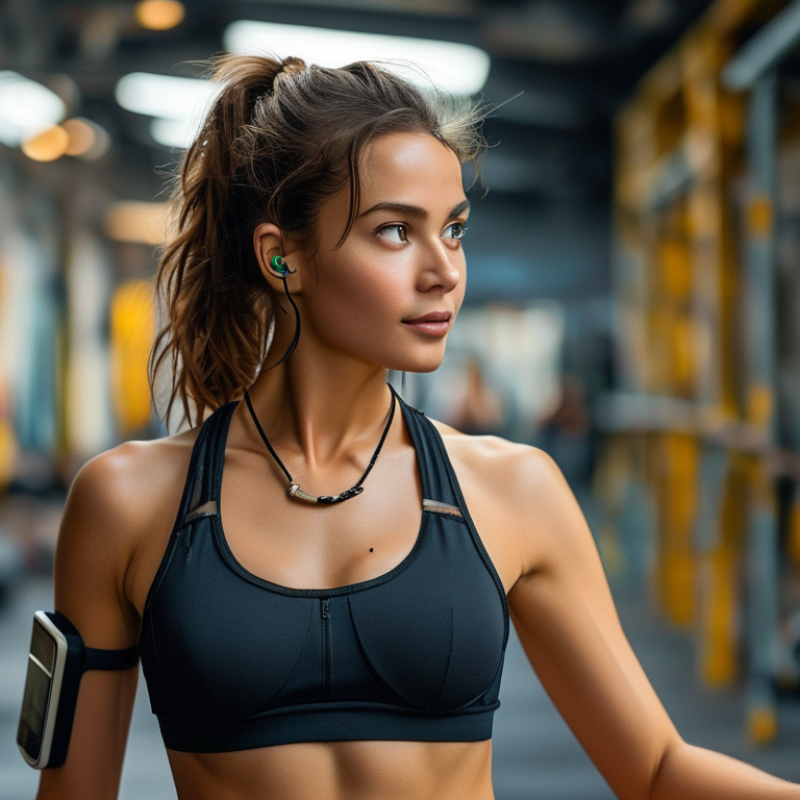
The landscape of sports equipment is rapidly evolving, driven by emerging technologies that enhance performance. Data from market reports show that the global sports equipment market is expected to reach over $80 billion by 2025, reflecting a growing demand for innovative solutions. These trends highlight a shift towards smart gear. Wearable technology, such as fitness trackers and smart shoes, provide real-time analytics on performance metrics. Users can adjust their training regimens based on data, optimizing results and reducing the risk of injury.
Moreover, advancements in materials technology are reshaping equipment. Lightweight, durable materials, like graphene and carbon fiber, promise improved strength and user comfort. For instance, these materials allow for better performance in sports like cycling and running, where every gram counts. Reports indicate a 20% increase in demand for such high-end materials over the last two years, as athletes seek equipment that can enhance their capabilities.
**Tip:** Consider incorporating wearables into your training to monitor your progress and adapt your routines. Reflect on how technology can both aid and distract from your goals. Balance is essential.
Exploring the future of sports equipment reveals potential pitfalls. The reliance on technology may create dependency. Athletes might overlook the basics of training and technique. While innovations can provide valuable insights, it’s crucial to maintain focus on foundational skills. **Tip:** Regularly evaluate how much you're relying on tech. Always prioritize skill development alongside your tools.
The fitness equipment market is evolving. Sustainable materials are leading the way in this change. Athletes and fitness enthusiasts are becoming conscious of their environmental impact. Manufacturers are responding by utilizing eco-friendly resources. Bamboo and recycled plastics are becoming popular choices. These materials reduce carbon footprints while ensuring durability.
Choosing sustainable options is essential. Look for products made from recycled materials. These often perform just as well as traditional items. They contribute to a healthier planet without sacrificing quality.
When buying new equipment, ask about the materials used. Research brands that prioritize sustainability. It’s not just a trend; it’s becoming a necessity. Equipment made from renewable resources often has a unique aesthetic. You might discover fresh designs that reflect your commitment to the environment. Long-lasting equipment means fewer replacements. This is a win for both your wallet and the earth.
Smart fitness gear is transforming the way we approach workouts. Wearable technology, such as heart rate monitors and fitness trackers, collects valuable data during exercise. This data can provide insights on performance and recovery. Many users find motivation through tracking their progress. The convenience of real-time feedback is changing fitness habits.
However, relying too heavily on technology can lead to mistakes. Some people may become too focused on numbers rather than enjoying their workouts. It’s essential to remember that data is just a tool. A workout should feel good and energize both body and mind. Striking a balance between tech and traditional methods is crucial for real growth.
As smart gear becomes more prevalent, ensuring accurate data collection is vital. Misleading metrics can hinder progress. Users should educate themselves on how to interpret data correctly. Recognizing the limitations and potential errors in wearable technology is part of the learning journey. Fitness is personal and should adapt to individual needs and preferences, with or without technology.
In today's fitness landscape, personalization is becoming crucial. Customizing sports equipment for individual needs offers notable benefits. The emphasis is shifting towards ergonomics, ensuring that gear fits the unique shape and size of each user. This creates a more comfortable workout experience, which can lead to better performance and fewer injuries.
As individuals become more involved in their fitness journeys, tailored options are gaining popularity. The demand for adjustable weights or customizable shoes is rising. Users want equipment that reflects their personal style and specifications. Some may need special features due to physical limitations, while others seek unique designs. It's about finding the right fit for everyone.
However, the process of customization isn't without challenges. It encourages a deeper reflection on individual fitness goals. Are we choosing what is truly beneficial? Personalized gear can lead to a sense of ownership, but it also risks consumerism. The balance between personal preference and practicality needs continuous evaluation.
| Trend | Description | Impact on Buyers | Personalization Options |
|---|---|---|---|
| Smart Equipment | Integration of technology providing real-time feedback for users. | Increased engagement and motivation through personal data tracking. | Adjustable settings based on user performance data. |
| Eco-Friendly Materials | Use of sustainable materials in manufacturing sports equipment. | Attracts environmentally conscious buyers. | Customization based on recyclable options. |
| Wearable Tech | Devices tracking heart rate, calories, and other metrics. | Better insights into personal fitness and progress. | Personalized reports and health recommendations. |
| Modular Equipment | Equipment that can be tailored and expanded based on workout needs. | Flexibility in fitness routines leading to better sustainability. | Personal choice in components and configurations. |
| Virtual Training | Online platforms offering guided workouts and community support. | Access to diverse training styles and professional trainers. | Customized training plans based on individual goals. |
The integration of virtual and augmented reality in sports training equipment is redefining fitness. These technologies create immersive environments that enhance the training experience. Athletes can practice in simulated conditions that mimic real-world scenarios. This immersion provides instant feedback, which is critical for skill development.
Many fitness enthusiasts find themselves intrigued by interactive workouts. They engage in competitive environments with their friends or through online platforms. This social aspect can motivate individuals to push their limits. However, relying solely on technology has its drawbacks. It can lead to a reliance on virtual coaching instead of real-world guidance.
Planning for future purchases of sports equipment should take these trends into account. Consumers should consider how technology can improve their training. Understanding the balance between traditional methods and digital aids is essential. Without reflecting on these factors, one might miss out on a holistic training approach.
This chart illustrates the growing investment in virtual and augmented reality technologies in sports training equipment over recent years. The data highlights the increasing popularity and incorporation of these technologies into fitness and training regimens.
: Sports equipment is evolving with technologies that enhance performance. The market is expected to exceed $80 billion by 2025.
Wearables provide real-time analytics on performance metrics. Athletes can adjust training regimens to optimize results.
Lightweight materials like carbon fiber and graphene are enhancing strength and comfort in sports gear.
Overdependence on technology may lead athletes to forget basics of training and technique.
Smart gear offers real-time feedback, motivating users by tracking their progress during workouts.
Users should be careful; misleading data can hinder progress. Understanding limitations is also important.
A balance is crucial for real growth. Enjoying workouts should remain a priority over focusing solely on numbers.
Yes, users might become too fixated on data rather than the workout itself. Enjoyment is key.
Reflect on how much you rely on tech. Prioritize skill development alongside using tools.
Regularly evaluate if tech helps or hinders performance. Maintain focus on foundational skills while using tech.
The article titled "Top Sports Equipment Trends Shaping Future Fitness Buying Guide" explores significant innovations in the fitness industry that are transforming how consumers approach their workout gear. Key trends include the emergence of advanced technologies enhancing athletic performance and the revolution of sustainable materials that promote eco-friendliness in equipment manufacturing. Furthermore, the integration of smart fitness gear infused with wearable technology offers tailored workout experiences, while personalization trends allow for customized equipment that meets individual fitness needs.
Additionally, the rise of virtual and augmented reality is reshaping sports training equipment, providing immersive experiences that enhance training effectiveness. Together, these developments underscore the evolving landscape of sports equipment trends shaping the future of fitness, highlighting the importance of adaptability and innovation in meeting the demands of modern fitness enthusiasts.

IBL Sports