Essential Tips for Choosing the Best Barbell Collars?

Time:2026-03-11 Author:Isabella
0%

Choosing the right Barbell Collars is crucial for any weightlifting routine. These small accessories play a significant role in ensuring safety and performance. If you're new to lifting, you might underestimate their importance. However, the right collars can prevent weights from sliding off during your workout. This can save you from potential injuries.

There are various types of Barbell Collars available on the market. Some are more user-friendly than others. For example, pinch-on collars are quick to attach but may slide down during heavy lifts. On the other hand, clamp-style collars provide a more secure fit. It's essential to consider your lifting style and preferences when making a choice. A poor choice can affect your workout and even discourage you from training.

In the search for the best Barbell Collars, one should evaluate material quality, grip, and ease of use. Take time to research available options. It’s easy to pick a popular brand, but you might miss out on better alternatives. Ultimately, finding the right collar will enhance your lifting experience. Consider your options carefully.
Essential Tips for Choosing the Best Barbell Collars?

Understanding the Importance of Barbell Collars in Weightlifting

Barbell collars play a crucial role in weightlifting, ensuring safety and performance. Studies show that over 40% of injuries in gyms involve improperly secured weights. This statistic highlights the importance of using reliable collars. They prevent plates from shifting or falling during lifts, which can lead to accidents.

Choosing the right collars influences your workout. For instance, a study in the Journal of Strength and Conditioning Research suggests that lifters using high-quality collars experience better stability and focus. This stability allows for improved lifting mechanics. You might think that any collar will do, but this is a misconception.

Pay close attention to the design and material of the collars. Some collars might seem adequate but can fail under heavy loads. The market is full of options, yet not all offer the same level of security. Often, lifters overlook this detail. Rethinking your approach could save you from potential mishaps. Safety and effectiveness should be the priorities in any training regimen.

Types of Barbell Collars: A Comparative Overview

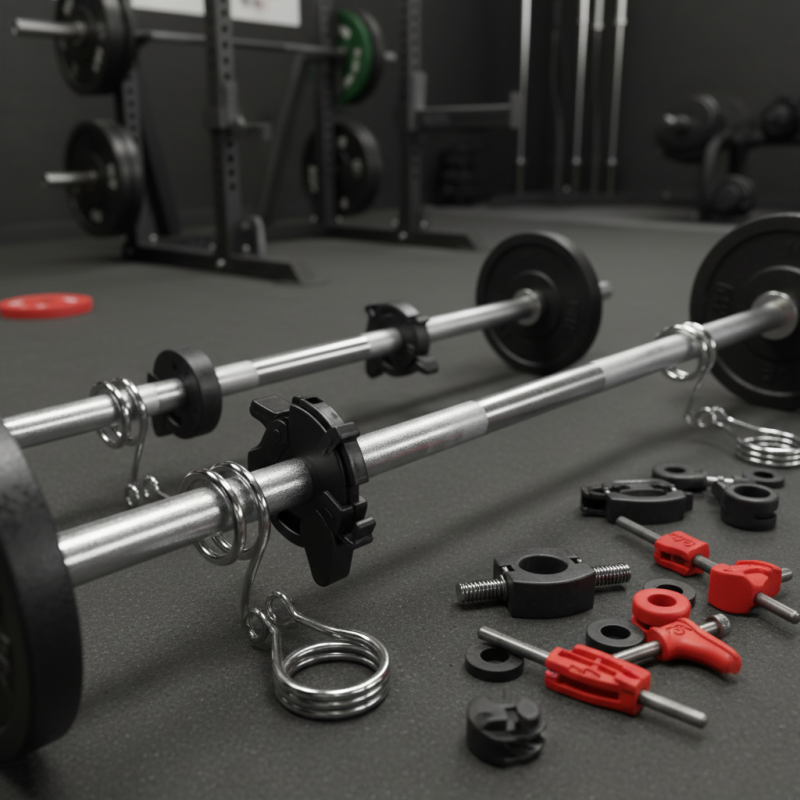
When selecting a barbell collar, it’s crucial to understand the different types available. Spring collars are among the most common. They offer a simple design, using tension to secure weights. However, they can be tricky to operate, especially when you’re in a rush.

Locking collars present a more secure option. They usually feature a clamp mechanism that grips the bar tightly. This can give you peace of mind while lifting heavy weights. Yet, they might require more effort to adjust, which can be frustrating in a busy gym environment.

Here are a few tips to keep in mind. Always consider the ease of use. A collar that takes too long to attach can disrupt your workout flow. Also, think about the collar's weight. Some options add minimal bulk, while others may be heavier than expected. This can affect your lift. Lastly, check for compatibility with your barbell’s diameter. A mismatch can lead to safety issues during lifts. Choose wisely to enhance your lifting experience.

Key Features to Look for When Selecting Barbell Collars

Choosing the right barbell collars is essential for any weightlifting routine. A good collar ensures safety and stability. When selecting one, consider the material. Most collars are made from nylon, metal, or rubber. Nylon offers lightweight flexibility, while metal provides durability. Rubber collars grip the bar well but may wear over time.

Another key feature is the locking mechanism. A secure lock prevents weights from slipping during lifts. Some collars use a screw mechanism, which can offer a tight fit, while others use a clamp style for quick adjustments. According to industry reports, nearly 30% of weightlifting injuries occur due to equipment failure, often related to improper collar use.

Weight and design also matter. Lightweight collars can be easier to handle, especially for beginners. A sleek design can help with storage and transport. However, those prioritizing performance may need to trade a bit of convenience. Reflecting on personal preferences is crucial. Choosing collars that fit your lifting style will enhance your overall experience.

How to Ensure a Secure Fit: Size and Compatibility Considerations

Choosing the right barbell collars is crucial for safety. Compatibility with your barbell is vital. Different barbells come in varying sizes and diameters. Most standard bars are 1 inch in diameter, but Olympic bars are typically 2 inches. If your collars don’t fit, they won’t secure weights properly.

Check the collar size before purchasing. Adjustments may be needed if you switch between different barbells. Also, consider the type of weights you use. Some collars are designed for specific weights. If they are too tight or too loose, they can cause accidents. It's key to test before hitting the gym.

When selecting collars, look for materials that offer strength without being overly heavy. Plastic collars may seem easy, but they can break under pressure. Metal collars provide durability but might require more effort to secure. Comfort also matters. If they feel awkward during lifts, rethink your choice. This blend of size, material, and functionality can bring the perfect fit you need.

Essential Tips for Choosing the Best Barbell Collars

Budgeting for Quality: Price Ranges and Best Value Options

When budgeting for barbell collars, price ranges can vary significantly. Basic models typically cost around $10 to $25. These may be made from plastic or simple metal. They serve the purpose but might not offer durability. Higher-priced options, ranging from $30 to $60, are often made from high-quality materials. They also feature better locking mechanisms, ensuring safety during heavy lifts.

Finding the best value involves considering your lifting style. If you lift regularly and lift heavy, investing more could save you from repeated purchases. A well-made collar can last years, while cheaper ones might need frequent replacement. Balance your budget against how often you train. Are you using them daily or just occasionally? Reflect on your lifting goals before making a decision. Quality often matters more than the initial price.

FAQS

: Why are barbell collars important in weightlifting?

: Barbell collars ensure safety and performance, preventing weights from shifting or falling during lifts.

What percentage of gym injuries are related to improperly secured weights?

Over 40% of gym injuries involve improperly secured weights, highlighting the need for reliable collars.

How can the right collars affect my workout?

High-quality collars improve stability and focus, enhancing lifting mechanics and overall performance.

What materials are commonly used for barbell collars?

Common materials include nylon for flexibility, metal for durability, and rubber for grip.

What should I consider about locking mechanisms?

A secure locking mechanism is vital. Some use screws for tight fits, while clamps allow quick adjustments.

How much should I budget for barbell collars?

Basic models range from $10 to $25, while high-quality collars cost between $30 and $60.

Are cheaper collars worth buying?

Cheaper collars may not offer durability and can require frequent replacements, leading to higher costs over time.

How do I choose collars that fit my lifting style?

Reflect on your lifting frequency and goals. Regular heavy lifters should invest in quality collars for safety.

Is the design of collars important?

Yes, lighter designs are easier to handle, but performance-focused lifters might prioritize functionality over convenience.

What should I reflect on before purchasing collars?

Consider your lifting habits and budget. Quality materials often provide long-term value despite higher initial costs.

Conclusion

When it comes to weightlifting, barbell collars are a crucial element for ensuring safety and performance. Understanding their importance helps lifters maintain stability during exercises by securing weights in place. There are various types of barbell collars available, each with distinct features that cater to different lifting needs.

When selecting barbell collars, one should consider key features such as ease of use, durability, and how securely they fit onto the bar. Compatibility with your barbell size is also essential. Lastly, budgeting for quality is important; while prices can vary significantly, finding a balance between cost and reliability ensures you get the best value without compromising safety.

Isabella

Isabella

Isabella is a dedicated marketing professional with a sharp focus on driving brand growth and engagement through strategic content creation. With an extensive background in digital marketing, she combines her passion for storytelling with her keen understanding of industry trends to deliver......