In the realm of physical education, choosing the right gear is crucial. Schools and clubs face numerous challenges when sourcing quality sports equipment. "A well-equipped sports program can immensely elevate student engagement," states John Murphy, an expert in sports education. This sentiment underscores the importance of a comprehensive Sports Equipment Buying Guide for Schools and Clubs.
Understanding the specific needs of each sport can be daunting. Schools may overlook essential items, leading to gaps in training. Clubs often face budget constraints, making it imperative to select durable and affordable options. This guide aims to simplify that process.
Budget constraints are common. However, skimping on quality can backfire. Investing in reliable equipment creates safer playing environments. As institutions aim for excellence, recognizing these factors can make all the difference. In this guide, we will explore the top ten pieces of equipment that can enhance athletic programs, ensuring students can thrive in their sporting endeavors.
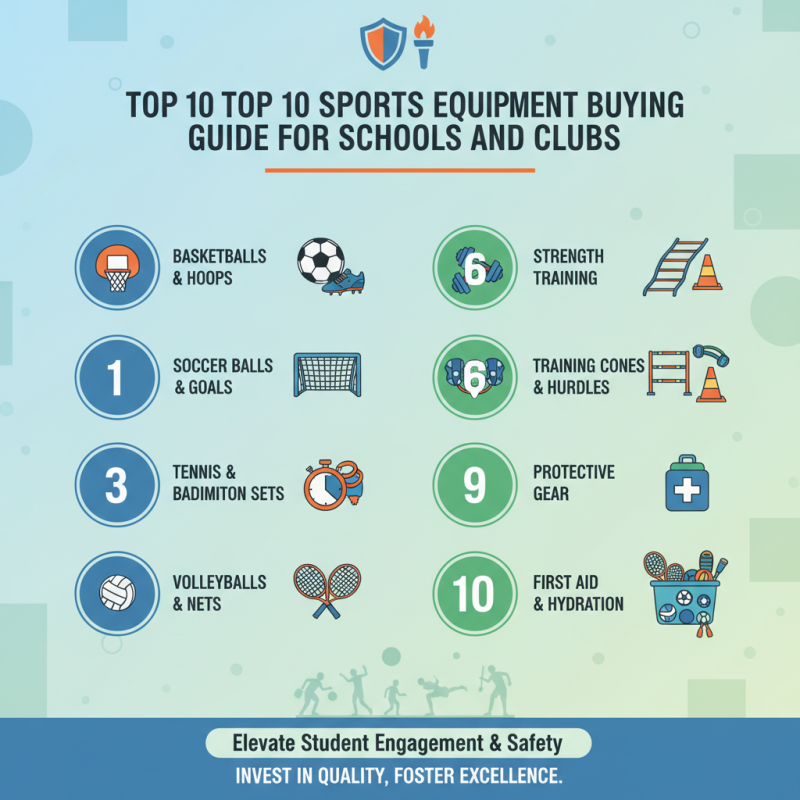
Choosing the right sports equipment is crucial for schools and clubs. Proper equipment can enhance performance and reduce injury risks. According to the Sports & Fitness Industry Association, schools that invest in high-quality gear see a 30% increase in student participation. This underscores the importance of quality in sports gear selection.
When selecting equipment, consider the specific needs of each sport. For instance, basketballs vary in size and grip depending on the age group. A fitting ball can significantly improve handling. Similarly, soccer cleats should match the type of field. Poor choices can lead to poor performance or even injuries.
Tip: Always prioritize safety features. Ensure that items like pads, helmets, and protective gear meet safety standards. Regularly inspect equipment for wear and tear. Old equipment can compromise safety and effectiveness. Seek feedback from coaches about what works best for their teams. Their insights can guide better purchasing decisions.
When selecting sports equipment for schools and clubs, several key factors come into play. Understanding the specific needs of students is essential. Research indicates that 70% of students report feeling more engaged when they have access to quality equipment. Engagement can boost physical activity levels and foster a lifelong love for sports.
Quality matters. Equipment durability is crucial. Schools often face tight budgets, so investing in long-lasting gear can save costs in the long run. Reports show that equipment that lasts 20% longer can yield a 15% reduction in replacement costs. Sometimes overlooked, safety is another critical factor. About 60% of injuries in school sports are linked to improper or worn-out equipment. Regular inspections and maintenance cannot be neglected.
Customization is also important. Different age groups require different equipment sizes and types. For instance, young athletes may require lighter balls or smaller nets. However, many schools may overlook the varying needs of their students. It’s essential to evaluate whether the current gear is appropriate for all fitness levels and skills. Catering to this diversity can enhance participation and overall enjoyment in sports.
When schools and clubs consider new sports equipment, budgeting becomes crucial. Understanding the costs associated with equipment allows for informed decisions. Think of the number of students or members involved. Higher participation often means a need for more gear. Also, consider the type of sports being played. Equipment for team sports generally varies from individual sports, affecting the overall budget.
Research is key here. Look into different suppliers and get quotes. It’s wise to compare prices and specifications. Sometimes, a slightly higher price might lead to better quality. Invest in durable items that can withstand rigorous use. Additionally, consider sourcing second-hand equipment. This can provide substantial savings. However, ensure the gear is in good condition to avoid safety issues.
Seek input from coaches and players. Their experience can guide smart purchases. Creating a wish list can help prioritize needs over wants. Regularly revisit and adjust your budget based on usage patterns. Remember, spending less today could lead to higher costs later if equipment breaks down. Make informed decisions to build a strong athletic program.
When selecting sports equipment for schools and clubs, durability and safety cannot be overlooked. Equipment must withstand daily use, especially in active environments. Look for materials that resist wear and tear. Rubber, reinforced plastics, and heavy-duty fabrics often meet these needs. Is it tested for impact? This question matters. Equipment should bear good safety ratings.
It's also essential to evaluate safety standards. Gear should comply with local regulations. This ensures protection during use. Check for certifications that indicate rigorous testing. A thorough inspection can reveal potential hazards. For example, sharp edges on gear can pose risks to young athletes. Unstable structures may lead to accidents.
Reflect on your equipment choices. Are they truly safe? Regularly assess items for damage. Wear and tear might not be visible. Ensuring that equipment is both durable and safe requires an ongoing commitment. Make any necessary adjustments to keep everyone protected while they enjoy their sport.
When selecting essential sports equipment for schools and clubs, it's crucial to consider the diverse range of activities available. A well-rounded checklist can make a significant difference. According to a recent report from the Sports & Fitness Industry Association, 84% of children participate in organized sports, highlighting the need for quality gear. Schools should prioritize items like basketballs, soccer balls, and volleyballs. Each sport requires specific equipment that enhances performance and safety.
Physical educators recommend including items like cones, agility ladders, and resistance bands for training sessions. These tools improve skills and coordination. Over 60% of athletes report feeling more confident with appropriate gear, which can lead to increased participation. However, not all institutions have access to high-quality resources. A survey indicated that about 30% of schools struggle with limited budgets for purchasing essential sports items.
Safety equipment cannot be overlooked. Helmets, pads, and first-aid kits are imperative for contact sports. Neglecting these essentials can lead to injuries. Many clubs fail to update their inventory regularly, often resulting in outdated gear. A commitment to regular audits can ensure that all equipment remains safe and effective. Engaging local communities for support can also foster a culture of safety and readiness among young athletes.
| Sport | Essential Equipment | Recommended Quantity | Age Group |
|---|---|---|---|
| Soccer | Soccer Balls | 10 | 6-18 |
| Basketball | Basketballs | 8 | 8-18 |
| Volleyball | Volleyballs | 6 | 10-18 |
| Tennis | Tennis Rackets | 6 | 8-18 |
| Baseball | Baseballs | 12 | 6-18 |
| Swimming | Swim Caps | 15 | 5-18 |
| Track & Field | Running Shoes | 10 | 10-18 |
| Gymnastics | Gym Mats | 5 | 5-18 |
| Table Tennis | Table Tennis Paddles | 8 | 8-18 |
| Rugby | Rugby Balls | 10 | 10-18 |
: Engaged students are more likely to participate in physical activities. Quality equipment boosts this engagement significantly.
Investing in long-lasting equipment can save costs. Durable gear leads to lower replacement expenses over time.
About 60% of injuries in school sports relate to either worn-out or unsuitable equipment.
Different age groups need varied equipment. Meeting these requirements can enhance participation and enjoyment among students.
Rubber, reinforced plastics, and heavy-duty fabrics are recommended. They resist wear and tear from daily use.
Compliance with local regulations ensures the equipment is safe for student use. Always check for safety certifications.
Regular inspections for wear or damage are essential. Look for hazards like sharp edges or unstable structures.
No, regular assessments are needed. Even new gear can have hidden issues that may not be immediately visible.
Prioritize durability and safety features when purchasing. This avoids accidents and costly replacements later on.
Regular inspections should be routine. Ongoing commitment is needed to keep all athletes safe while engaging in sports.
The "Sports Equipment Buying Guide For Schools And Clubs" serves as a comprehensive resource for selecting appropriate gear for various sports activities. It emphasizes the importance of choosing the right equipment tailored to specific sports, ensuring optimal performance and safety for athletes. Key factors to consider include the age and skill level of participants, the type of sport, and the facility's space and resources.
In addition to these considerations, the guide provides budgeting tips and strategies to help schools and clubs make informed purchasing decisions. Evaluating the durability and safety standards of sports gear is crucial, as it ensures long-lasting use and minimizes the risk of injuries. Lastly, an essential equipment checklist for different sports activities helps streamline the purchasing process, ensuring that all necessary items are accounted for when outfitting teams and programs.

IBL Sports