Understanding Sports Equipment Safety Standards Every Athlete Should Know is crucial for anyone involved in sports. The right gear can prevent injuries and enhance performance. However, many athletes overlook the importance of these safety standards. This lack of awareness can lead to serious consequences on and off the field.
Safety standards serve as guidelines. They ensure that equipment is tested and proven to be safe for use. Athletes must pay attention to these standards. Choosing subpar gear can result in injury. Many athletes might not realize how dated their equipment is. Regularly updating gear is vital.
Being informed about safety standards helps athletes remain confident. Knowledge empowers them to make better choices. Relying on trusted information is key. Seeking advice from professionals or certified coaches can make a difference. It contributes to overall safety in sports. Thus, understanding these standards is not just informative; it’s essential for athletes aiming for long-term success.
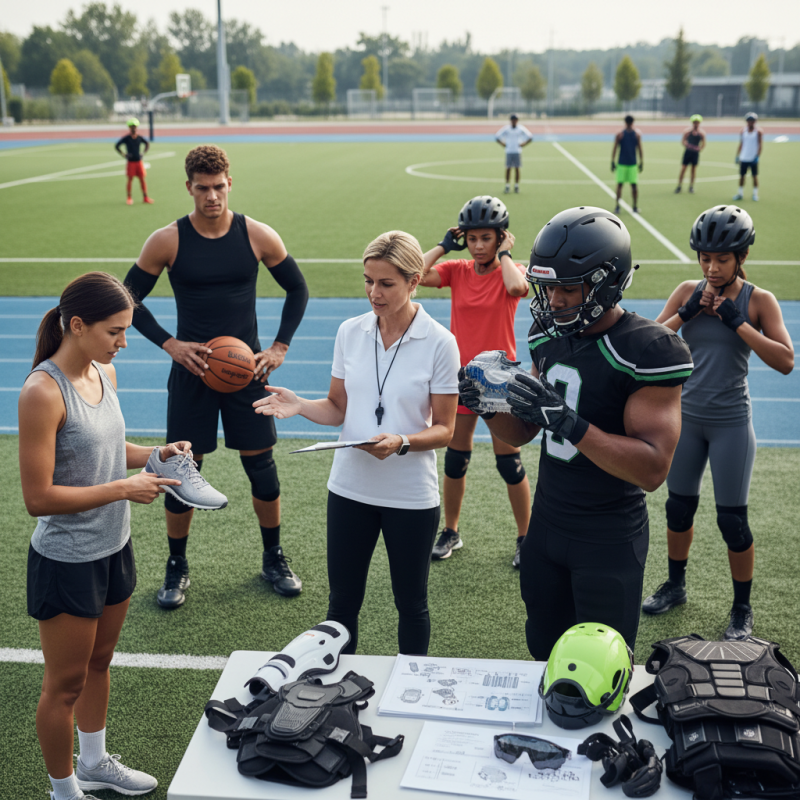
Sports equipment safety standards are crucial for athletes. These standards ensure that the gear used during training and competition meets specific safety criteria. When equipment is designed to protect the athlete, the risk of injury decreases significantly. Athletes should be aware of these standards and how they apply to their specific sports.
Understanding these standards can feel overwhelming. Safety guidelines often vary by sport and level of play. Many athletes might not realize that not all equipment is created equal. Some products may not meet the required safety levels. This can lead to dangerous situations on the field or court.
In Olympic sports, for example, equipment is rigorously tested. Yet, not all regional events enforce the same standards. Athletes may unknowingly use gear that hasn’t been verified for safety. This inconsistency can create doubt about the protection offered by the equipment. It's essential for athletes to take responsibility, staying informed about the equipment they choose. Making informed decisions can significantly impact their performance and well-being.
Understanding sports equipment safety standards is crucial for athletes. Various organizations work tirelessly to establish these standards, ensuring that athletes can compete safely. One of the leading bodies in this area is the American Society for Testing and Materials (ASTM). According to their reports, they set rigorous safety tests for equipment used in various sports. For instance, helmets and protective gear must meet specific impact-resistance criteria.
The International Organization for Standardization (ISO) is another key player. ISO develops international standards that many countries adopt for sports equipment safety. Their guidelines cover everything from materials used to performance testing. Research shows that equipment complying with ISO standards significantly reduces injury rates. However, not all manufacturers follow these guidelines strictly, leading to potential risks for athletes.
In addition, local regulatory bodies often collaborate with these organizations to implement standards at the grassroots level. They help educate coaches and young athletes on the importance of using compliant equipment. However, the challenge remains in ensuring all sports organizations are aware of and adhere to these safety standards. Continuous updates and training are necessary to keep up with evolving technologies and safety requirements.
Understanding safety standards for sports equipment is crucial for any athlete. These standards ensure that gear is not only effective but also safe to use. Various sports have different safety standards. For example, helmets for cycling must meet specific impact resistance criteria, while protective pads for hockey have different benchmarks.
Athletes should be aware of the certifications that equipment carries. Look for labels indicating compliance with recognized safety standards. These labels affirm that the equipment has undergone testing. It's not enough to rely on brand reputation. Some lesser-known products might meet or even exceed safety criteria.
When purchasing equipment, examine for wear and tear. Equipment that looks damaged may not provide the safety you need. Always prioritize proper fit. Ill-fitting gear can compromise safety. Find equipment that feels comfortable and allows flexibility. Lastly, regularly check for updates on safety standards. Guidelines change as new research becomes available. Staying informed empowers athletes to prioritize their safety effectively.
Understanding the impact of non-compliance with safety standards on athlete health is crucial. According to a report from the Consumer Product Safety Commission, nearly 200,000 sports-related injuries occur annually in the U.S. alone, many linked to inadequate protective gear. Athletes are at risk when equipment fails to meet established safety norms. This leads to serious injuries that could have been avoided.
Non-compliance with safety standards can manifest in various ways. For instance, faulty helmets can lead to concussions. A study by the Sports Injury Research Institute found that athletes using non-compliant helmets had a higher incidence of head injuries. Additionally, uneven surfaces can compromise ankle supports, increasing the risk of sprains. Proper safety measures and equipment compliance have a direct correlation with athlete resilience and performance.
Injuries due to non-compliance raise questions about accountability. Coaches and organizations must consider the long-term consequences of using substandard gear. They may unintentionally neglect the importance of safety protocols. For athletes, prioritizing compliance is not just about performance but their overall well-being. Investing in standard-compliant equipment may prevent potential health risks and ensure a safer athletic environment.
This chart illustrates the impact of non-compliance with safety standards across different sports regarding athlete health issues reported, such as injuries and health complications. As compliance increases, the number of reported health issues decreases, demonstrating the importance of adhering to safety standards.
Recent advancements in sports equipment safety technologies have significantly transformed athlete protection. New materials and design techniques now provide better impact resistance. For instance, studies show that helmets utilizing advanced composites reduce concussion risks by up to 30%. These materials are lighter yet stronger, enhancing comfort while maintaining safety.
Testing procedures have also evolved. Rigorous assessments ensure that equipment meets stringent safety standards. Reports indicate that over 80% of new products now undergo multi-level testing before reaching athletes. Despite these improvements, gaps remain. Some athletes still report injuries due to gear failures. The need for ongoing innovation and regular updates in safety standards is crucial for their protection.
The balance between safety and performance is a continual challenge. While technology improves, it is essential to remember that no equipment can guarantee complete safety. Athletes must remain educated on proper usage and maintenance. Ensuring gear is not only advanced but also suitable for the athlete’s specific needs can help mitigate risks in sports.
| Equipment Type | Relevant Safety Standard | Testing Method | Recent Advances |
|---|---|---|---|
| Helmets | ASTM F1492 | Impact Testing | Smart helmets with sensors for real-time data |
| Footwear | ISO 18103 | Wear Testing | 3D-printed shoes designed for individual foot shapes |
| Protective Pads | EN 14021 | Durability Testing | Use of new lightweight materials for enhanced protection |
| Rackets | ASTM F2762 | Load Testing | Innovative composite materials for improved performance |
| Bicycles | ISO 4210 | Safety and Stability Testing | Integration of smart features for safety monitoring |
: They ensure that gear meets safety criteria, reducing injury risks during training and competition.
No, safety standards vary by sport and competition level, so athletes must stay informed about their specific needs.
Look for labels that indicate compliance with recognized safety standards; brand reputation alone is insufficient.
Inspect for damage; equipment that looks worn may not provide necessary safety and should be replaced.
Regularly check for updates, as guidelines change with new research, ensuring ongoing protection.
New materials enhance impact resistance, reducing concussion risks while making gear lighter and more comfortable.
No equipment can guarantee absolute safety; athletes must understand proper usage and maintain their gear.
They may not realize that not all equipment meets safety levels, especially in unsanctioned events or local competitions.
No, lesser-known products might exceed safety standards, so verification through safety labels is essential.
They provide better protection but require athletes to stay educated on proper care and usage to avoid injuries.
Understanding Sports Equipment Safety Standards is crucial for athlete well-being and performance. This article outlines the importance of adherence to Sports Equipment Safety Standards Every Athlete Should Know and highlights key organizations that regulate these standards. Common safety regulations across various sports equipment are discussed, emphasizing their role in preventing injuries and ensuring a safe sporting environment.
Furthermore, the article addresses the serious implications of non-compliance, which can jeopardize athlete health. It also explores recent advancements in safety technologies and testing methods that enhance the reliability of sports equipment. By staying informed about these safety standards, athletes can make better choices regarding their gear, ultimately contributing to improved safety in sports.

IBL Sports