Analyzing the paradigm shift in ice hockey and floorball stick manufacturing, from traditional wood laminations to aerospace-grade 18K carbon fiber composite architectures.
The manufacturing ecosystem of hockey sticks has undergone a monumental shift. For decades, northern ash, white birch, and laminated plywood dominated the ice hockey landscape. However, the modern competitive sports industry demands materials that balance high flex recovery, ultra-low weight, and superior impact tolerance. Today, composite sticks manufactured with carbon fiber layers embedded in an epoxy resin matrix have captured over 95% of both the professional and recreational markets.
For B2B buyers, importers, and global brand managers, finding a reliable manufacturer involves navigating a complex web of structural engineering, carbon tow quality (such as 3K, 12K, or 18K weaves), and custom mold engineering. Selecting the wrong partner can lead to high breakage rates, inconsistent shaft dimensions, and off-spec flex points that damage brand equity. This whitepaper aims to untangle the global supply chain, presenting the top manufacturers alongside strategic purchasing recommendations.
Understanding the composite makeup of professional hockey sticks is crucial for procurement. Monocoque (single piece compression molded) carbon structures represent the pinnacle of performance, while fused multi-piece designs offer a balanced cost-to-performance ratio for recreational markets.
| Material Type | Tensile Strength | Flex Recovery Rate | Unit Cost Tier | Best Application |
|---|---|---|---|---|
| 18K Carbon Fiber | Extremely High | Ultra-Fast (< 0.05s) | Premium ($$$$) | Elite Pro / Custom League Sticks |
| 12K Carbon Fiber | High | Fast | Mid-Premium ($$$) | Competitive / Junior Leagues |
| 3K Carbon / Fiberglass Blend | Moderate | Standard | Budget-Friendly ($$) | Recreational / Rental / OEM Branding |
| Laminated Wood & ABS Blade | Low-Medium | Slow | Economy ($) | Street Hockey / Traditionalist Markets |
A comprehensive breakdown of global leaders, highlighting key specializations, geographic advantages, and target markets.
Specialty: Supreme & Vapor Carbon Composite Series.
Audience: Professional Elite & NHL Players.
Bauer is the undisputed market leader, driving innovations like the Vapor ADV's lightweight monocoque shape. Their manufacturing relies on highly advanced carbon compression plants in Asia and North America.
Specialty: Ribcor, Jetspeed, and Tacks Families.
Audience: High-end competitive leagues.
CCM's proprietary Sigmatex carbon fiber weaving stands out for its high strength-to-weight ratio. They source precision parts and blades from specialized factories using automated resin-transfer molding.
Specialty: Custom-fit composite shafts.
Audience: Professional custom-tune players.
True's background in premium golf shaft manufacturing translated perfectly into hockey. They manufacture via specialized compression facilities in China, ensuring ultra-tight flex tolerances.
Specialty: Alpha & Covert low-kick sticks.
Audience: Elite quick-release shooters.
Warrior (a subsidiary of New Balance) utilizes proprietary Phantom composite designs, making their sticks some of the lightest in the market. Their mass-production facilities are optimized for high-volume OEM/ODM export.
Specialty: Surgical precision blades & Surgeon sticks.
Audience: Multi-sport athletes & Collegiate players.
Known for their unique ergonomic shaft shapes, STX relies on specialized carbon layering techniques, sourcing from highly automated manufacturing hubs in East Asia.
Specialty: Traditional Wood and hybrid composites.
Audience: Heritage players and mid-tier markets.
While Sher-Wood built its legacy on wood sticks, they have transitioned successfully to 3D carbon weaves, maintaining strong relationships with legacy OEM factories in China.
Specialty: OEM/ODM Carbon fiber molding.
Audience: Private labels and global brands.
This regional hub of factories in Guangdong province manufactures over 40% of the world's custom carbon fiber products. They offer high customizability, rapid tooling, and high-volume output.
Specialty: Prepreg carbon fiber roll manufacturing.
Audience: Large-scale wholesale brands.
Weihai factories specialize in raw carbon fiber prepreg rolling, supplying lightweight, highly resilient composite tubes to top-tier sports brands worldwide.
Specialty: Ski composite adaptation.
Audience: European leagues & professional players.
Leveraging their expertise in high-performance ski design, Fischer produces composite hockey sticks with incredibly consistent flex profiles and reinforced hosels.
Specialty: European style and junior sticks.
Audience: Youth training and Northern European markets.
Tackla remains a classic European brand offering highly durable carbon-glass composite products, optimizing safety and resilience for amateur club leagues.
Before initiating contact with a factory, ensure you understand the critical quality indicators that distinguish high-performing manufacturers.
Verify that the factory utilizes automatic hydraulic flex testers. A deviation of +/- 2 flex points across a batch of 1,000 units is the acceptable industry standard. Anything higher indicates poor prepreg consistency.
Ensure your chosen facility adheres to ISO 9001 quality management standards. Ask for proof of fatigue testing—premium sticks must withstand at least 2,000 high-impact flex cycles without micro-cracking.
The interior blade core defines the stick's response. Look for manufacturers utilizing dual-foam cores or PMI (polymethacrylimide) foam wraps. Lower-grade factories might use cheap EPS foam, leading to soft spots.
For custom shaft geometries (e.g., concave/convex corners) or custom blades, inquire about 3D CAD modeling turnaround times. Leading OEMs should deliver a 3D-printed prototype within 7 to 10 working days.
While top-tier factories supply raw carbon frames, global retailers require a master supply chain partner to manage sourcing, QA, and multi-product consolidated logistics.
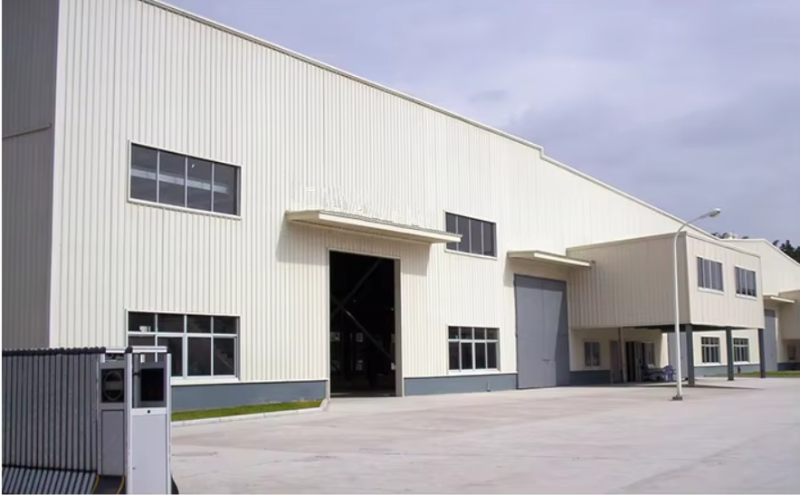
Our company was founded in 2018, located in Yangzhou city, Jiangsu Province. We have worked with more than hundreds of factories for a long time, so we can give customers quick reply and good prices.
Operating as a key hub for sporting goods and manufacturing sourcing, our team bridges the gap between specialized manufacturing centers and global distributors. By establishing long-term partnerships with factories, we guarantee supply chain resilience, competitive pricing, and rigorous quality check protocols.
We have focused on yoga series and juggling series of products. The first one including yoga mat, yoga block, yoga ball and other accessories products. The second one including juggling plates, balls, clubs, diabolo, hula hoops and so on. Also OEM & ODM is welcome. More other related items would be sourced and supplied according to customers’request. With a keen eye for quality and market trends, we ensure that our clients receive the finest products at competitive prices.
By leveraging our deep-seated connections across hundreds of specialized manufacturing facilities (including carbon fiber composite and sporting goods factories), we offer comprehensive procurement solutions. Whether you are sourcing fitness equipment or custom structural gear, we streamline the process from initial design to final delivery.
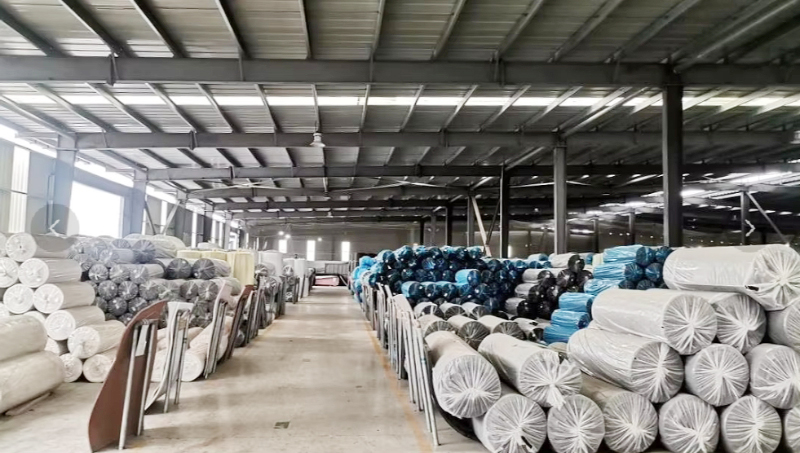
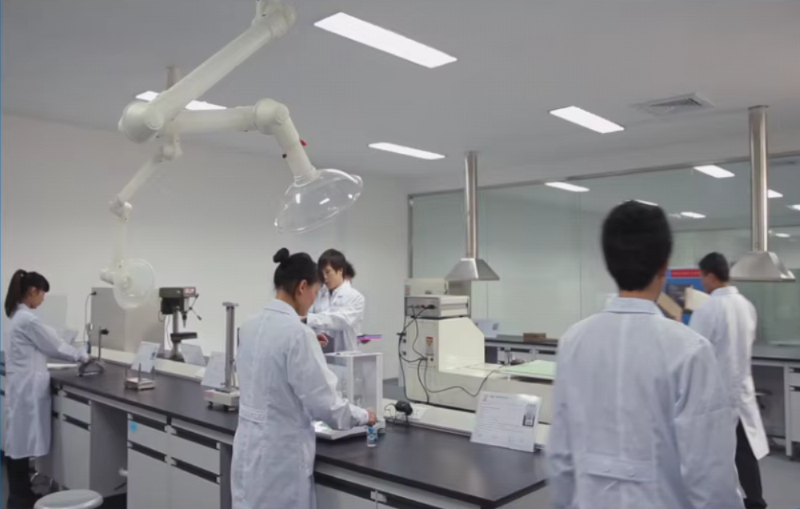
We have very rich experience in export trade and can help customers solve any problems in trade.
Unique Selling Propositions:
We take great pride in our commitment to integrity, transparency, and excellence. At our company, we believe that our success is deeply intertwined with the success of our clients and partners.
We supply the yoga and juggling products to the importer or wholesalers, Help you one-shopping all the products you need, save you a lot of labor costs and time costs. For collaborations, inquiries, or further information, please contact us freely!
Where is hockey stick technology heading? Stay ahead of the competition with insights into next-generation composite innovations.
The next frontier in hockey sticks manufacturing revolves around nanomaterial integration. Top-tier factories are currently testing carbon nanotube-reinforced resins. This tech minimizes the microscopic shear cracking that happens inside the shaft when a player loads a slap shot. By dispersing energy efficiently, these nano-infused sticks offer up to a 30% increase in fatigue life without adding a single gram of weight.
Furthermore, sustainability has become a critical mandate. Major distributors in Northern Europe and North America are actively requesting bio-resins (epoxy derived from plant-based byproducts) and recyclable carbon composite fibers. Factories that invest in these green composite lines early will hold a massive competitive advantage in tender acquisitions over the next five years.
Navigating the complex import/export requirements for composite materials and sporting goods.
Importers of sporting goods must pay close attention to local regulations. For example, carbon fiber exports may occasionally fall under dual-use material regulations in specific countries, requiring correct HS Code classifications (typically HS Code: 9506.99.25 for ice hockey equipment). Ensuring your logistics partner, such as HEBEI AOWTE, is deeply experienced in export customs documentation avoids costly port delays.
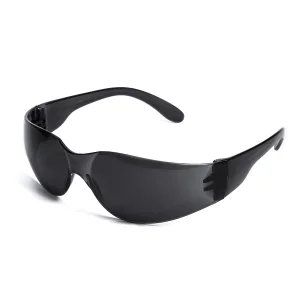
For related gear, ensure safety goggles match the CE EN166 or ANSI Z87 standards, while padded materials should fulfill non-toxic chemical directives (like REACH in the European Union). Our quality assurance processes rigorously verify all manufacturing certifications prior to dispatch.
Expert B2B answers regarding composite hockey stick manufacturing, sourcing, and OEM capabilities.
 IBL Sports