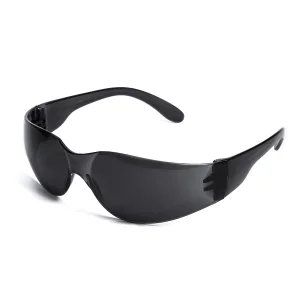
Explore our diverse inventory including safety wear, lifestyle sports gears, and performance products tailored for global markets.
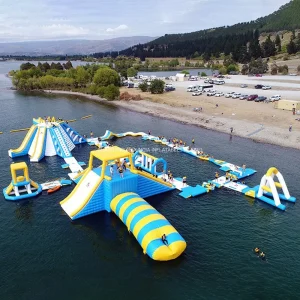
200 Persons Inflatable Water Park Floating Water Park Aqua Sports Equipment for Lake
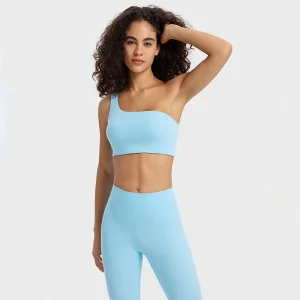
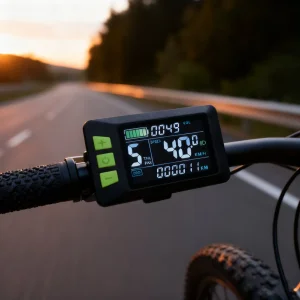
Leisure Cycling Ebike Display with Speed Mileage Bicycle Computer Accessory
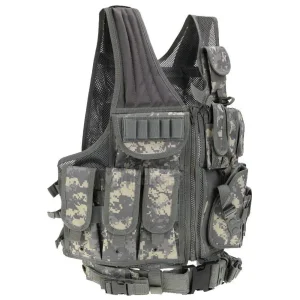
Reliable Stay Tactical Gear for Outdoor Adventures and Comfort
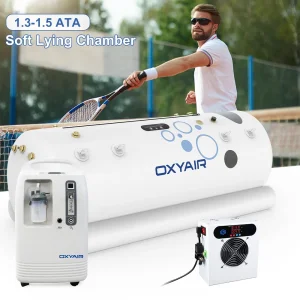
1.5ATA Foldable Lying Soft Hyperbaric Oxygen Chamber for Recovery and Sports Clubs
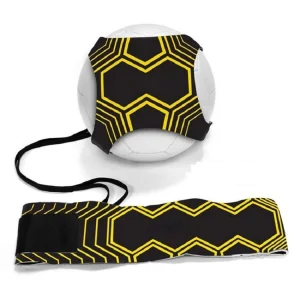
Soccer Training Aid Solo Practicing with Adjustable Waist Belt Soccer Bl14289
An authoritative deep-dive into the commercial and industrial mechanics of heavy-duty safety links.
In modern industrial procurement and outdoor safety engineering, carabiners are far more than mere connecting hooks; they are the primary fail-safes for human lives and structural loads. As critical Personal Protective Equipment (PPE) components, carabiners serve vital sectors including industrial fall protection, search and rescue (SAR) operations, arboriculture, structural rigging, and marine engineering. Globally, the procurement demand for safety links has scaled exponentially, driven by tightening worker-safety legislation like OSHA in North America and CE EN standards in the European Union.
From a commercial standpoint, the market is broadly segmented by material composition and locking mechanism. Aluminium alloys (predominantly 7075-T6 aerospace-grade aluminum) dominate the weight-sensitive climbing, sport, and tactical sectors. In contrast, carbon steel and marine-grade stainless steel (316) remain the standard for heavy industrial rigging and coastal deployments where corrosive environments and high tensile minimum breaking strength (MBS) ratings are non-negotiable. Top-tier carabiner exporters must align their output with strict international certifications to command authority in the global B2B procurement space.
Delivers the highest strength-to-weight ratio. Engineered for dynamic loads, high-altitude military exercises, and technical rescue missions where weight optimization is paramount.
Unrivaled durability and high fatigue resistance. The default choice for permanent industrial rigging, heavy-duty utility hoists, and rugged rescue anchor systems.
Formulated with molybdenum to actively resist chloride pitting. Essential for marine rigging, offshore wind energy farms, and commercial maritime applications.
How advanced production infrastructure and supply chain integration deliver unparalleled quality for global buyers.
China continues to serve as the epicenter of high-performance safety hardware manufacturing. The manufacturing clusters in provinces like Zhejiang, Jiangsu, and Shandong leverage sophisticated vertical integration that allows local factories to achieve unparalleled production efficiency. Through highly automated hot-forging machinery, automated anodizing lines, and state-of-the-art CNC machining hubs, Chinese exporters can supply top-tier hardware with precise tolerances at competitive pricing models.
This factory advantage is not solely based on scale, but on rigorous engineering control. Modern manufacturing facilities feature on-site metallurgic testing labs, implementing spectral analysis to ensure alloy purity, 3D coordinate measuring machines (CMM) for gate-clearance precision, and automated tensile stress systems that subject every production batch to proof-loading tests. This commitment guarantees that every carabiner meets the stringent safety certifications required by international buyers, such as European CE (EN 12275 / EN 362) and American ANSI (Z359.12) specifications.
| Production Phase | Traditional Methods | China Factory Optimization | Direct Value for Procurement |
|---|---|---|---|
| Material Sourcing | Fragmented supply routes | Direct mill-certified sourcing of 7075-T6 | Guaranteed alloy composition & tensile strength |
| Forging Technique | Cold stamping / manual press | Multi-directional hot-forging presses | Perfect grain alignment with higher impact resistance |
| Anodization & Finish | Basic liquid dipping | Hard-anodized type III computerized lines | Unmatched corrosion resistance & surface hardness |
| Quality Control | Manual sampling | 100% digital proof-load & magnetic particle inspection | Zero-defect shipments & reduced liability risk |
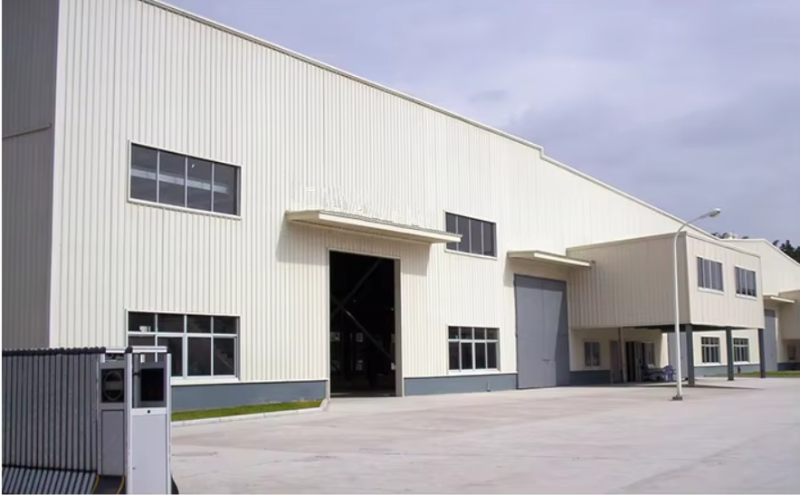
Our company was founded in 2018, located in Yangzhou city, Jiangsu Province. We have worked with more than hundreds of factories for a long time, so we can give customers quick reply and good prices.
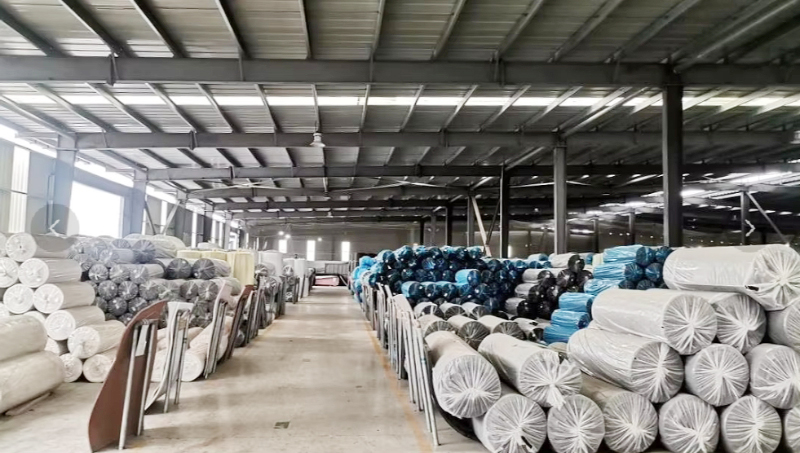
We have focused on yoga series and juggling series of products. The first one including yoga mat, yoga block, yoga ball and other accessories products. The second one including juggling plates, balls, clubs, diabolo, hula hoops and so on. Also OEM & ODM is welcome. More other related items would be sourced and supplied according to customers’request. With a keen eye for quality and market trends, we ensure that our clients receive the finest products at competitive prices.
We have very rich experience in export trade and can help customers solve any problems in trade.
Understanding that every market and client is unique, we provide tailor-made solutions to meet specific needs and requirements.
Rigorous quality control measures are in place to guarantee that every product we handle meets international standards.
Our team of seasoned professionals offers 24/7 support, ensuring smooth communication and prompt resolution of any queries.
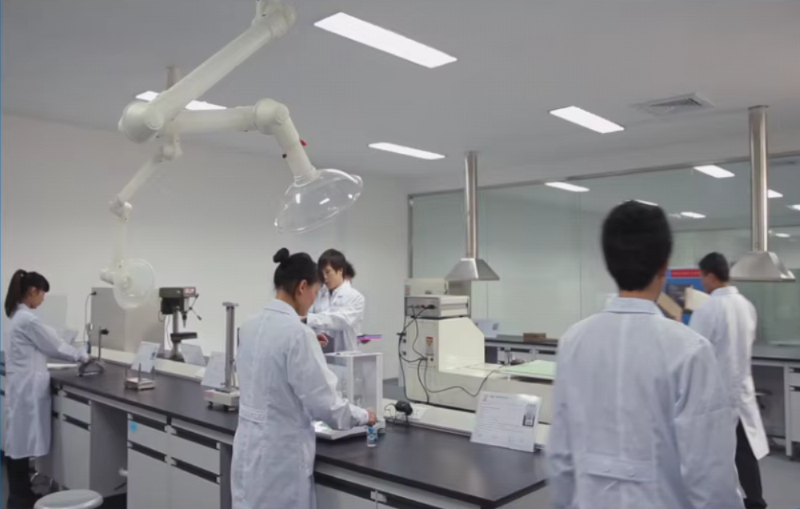
We take great pride in our commitment to integrity, transparency, and excellence. At our company, we believe that our success is deeply intertwined with the success of our clients and partners.
We supply the yoga and juggling products to the importer or wholesalers, Help you one-shopping all the products you need, save you a lot of labor costs and time costs. For collaborations, inquiries, or further information, please contact us freely!
Choosing the right geometry, locking mechanism, and load rating for specific industrial domains.
No single carabiner design satisfies all environmental challenges. In high-altitude wind turbine maintenance, technicians require massive gate clearances and double-action auto-locking steel carabiners that prevent accidental gate openings due to vibration. Conversely, structural arborists cutting tree canopies prefer lightweight, D-shaped triple-action aluminum carabiners that keep the rope aligned close to the spine (major axis) of the connector, minimizing torsional stress.
In military and tactical operations, silent operations and matte-black anti-reflective finishes are paramount. In contrast, marine operations require high-performance passivation treatments on stainless steel to withstand constant exposure to saltwater. The table below outlines the ideal applications based on technical geometries:
Features a symmetrical design to prevent load shifting. Ideal for pulley systems, rescue operations, and centering heavy rigging hardware.
Redirects load weight towards the stronger, non-gate spine. Suitable for fall protection lanyards and primary structural connections.
Features an extra-wide top opening for belaying ropes and dynamic knots. Designed for technical high-angle work and fire rescue rope systems.
How digital tracking, smart materials, and environmental safety regulations are redefining the future of manufacturing.
The global safety hardware landscape is transitioning towards digital traceability. One major trend is the integration of RFID chips and laser-etched matrix codes directly into the carabiner body. This allows safety inspectors in construction and offshore wind farms to instantly check inspect history, compliance records, and stress history using a simple handheld scanner. This digital integration significantly reduces inspection labor costs and minimizes human error in PPE asset management.
Environmental standards are also reshaping alloy manufacturing. European and American buyers are increasingly demanding carbon-neutral metal processing, RoHS compliance in anodization pigments, and eco-friendly packaging. By adopting cleaner recycling methods and using solar-powered forging lines, modern factories can achieve a lower carbon footprint without compromising tensile performance or safety standards.
Expert technical answers to assist procurement managers and safety officers during bulk purchases.
Discover additional high-quality products from our comprehensive fitness and outdoor recreation catalog.
Adult Water Park Fiberglass Pirate Ship Slide Large Children's Amusement Park Sports Equipment 08s
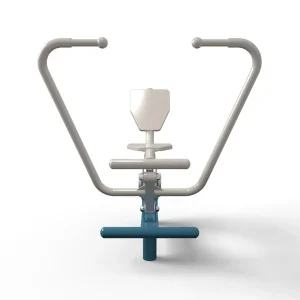
Park Training Exercise Adult Residential Street Workout Outdoor Fitness Equipment Rowing Machine
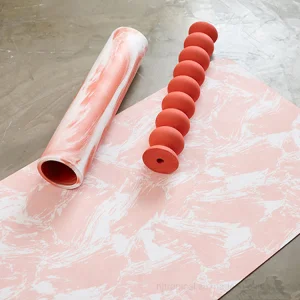
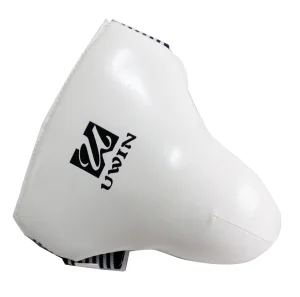
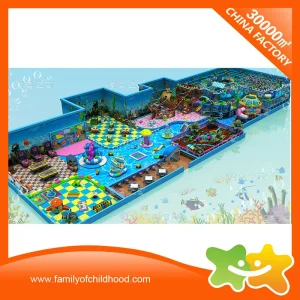
Super Big Ocean Theme Soft Indoor Amusement Park Equipment for Kids
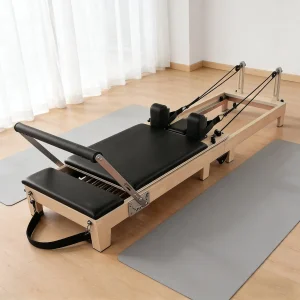
Yoga Studio Training Home Use Portable Maple Solid Wooden Foldable Reformer Pilates Bed
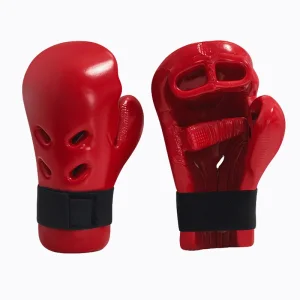
Adjustable Martial Arts Hand Gear for Kids Taekwondo Sparring and Training
 IBL Sports