Explore our elite collection of high-performance sporting goods, safety apparel, and training equipment, curated for global importers and distributors.
The winter sports industry is undergoing a significant transformation driven by material science breakthroughs, shifting consumer demands, and optimized global supply chain systems. Ski poles, often underrated in traditional winter sports setups, have emerged as highly engineered pieces of equipment. Modern ski poles utilize ultra-light carbon composites, high-yield aluminum alloys (such as 7075-T6), and ergonomic dual-density grips designed to maximize power transfer and minimize vibration.
For B2B buyers, distributors, and global outdoor brands, finding the right manufacturer is not just about unit price. It requires a deep evaluation of production tolerances, customization capabilities (OEM/ODM), and supply chain flexibility. This whitepaper analyzes the top global ski pole manufacturers, highlights critical industry trends, and reviews how factories leverage Industry 4.0 paradigms to deliver high-quality winter hardware at scale.
Key forces shaping the design, manufacturing, and distribution of ski poles in 2025 and beyond.
An authoritative analysis of the leading manufacturers commanding the global market share through quality, engineering, and manufacturing scale.
Leki is widely regarded as the premium benchmark for ski and trekking poles globally. Renowned for their patented Trigger S and Trigger 3D safety systems, Leki manufacturers high-end racing, alpine, and touring poles. Their facility in the Czech Republic is one of the largest dedicated pole production plants in Europe, maintaining strict quality assurance for high-strength aluminum shafts and carbon fiber integration.
Producing poles in the heart of the Alps since 1922, Komperdell represents Austrian craftsmanship combined with modern engineering. They are known for manufacturing 100% of their poles in-house, ensuring absolute control over the production loop. Komperdell has pioneered technologies like the "Fatso" grip and featherlight carbon models specifically built for backcountry ski touring.
A dominant force in the outdoor recreation market, Black Diamond engineers heavy-duty poles optimized for mountaineering, freeriding, and alpine skiing. Their FlickLock adjustable mechanism remains the gold standard for clamp reliability in freezing environments. They run highly optimized supply chains across North America and East Asia.
Focusing heavily on cross-country and alpine racing, Swix is synonymous with winter sports performance. Swix utilizes advanced composite materials and carbon filament winding to achieve extremely low swing weights and high stiffness profiles, making them the default choice for Olympic athletes and cross-country teams.
As part of the Dynastar/Rossignol Group, Kerma has specialized in alpine ski poles for decades. Their focus is on ergonomic integration, developing poles that seamlessly complement high-performance race setups. Their manufacturing leverages lightweight Zicral (7075-T6) aluminum alloys.
Scott Sports delivers highly versatile ski poles utilizing proprietary S3 and S4 aluminum shafts, which are rated among the strongest in the consumer market. Their designs feature advanced aerodynamic profiles and quick-release strap systems tailored for powder skiing and freeride terrains.
Goode pioneered the pure carbon fiber ski pole market. Their focus on ultra-thin, high-strength carbon shafts offers exceptional shock absorption and a remarkably light feel. They cater extensively to resort skiers who prioritize lightweight performance and reduced joint strain.
A prominent brand in Nordic skiing, One Way Sport (owned by Fischer Sports) is recognized for its striking high-visibility designs and cutting-edge carbon composite shafts. They supply professional biathletes and cross-country racers globally, focusing on stiffness-to-weight optimization.
Gabel has designed and manufactured high-performance ski and trekking poles since 1956. With production facilities in Italy, they blend distinct European styling with technical innovations like the "Click" system for easy strap removal and multi-locking mechanisms for telescopic variants.
Representing the peak of manufacturing agility, Chinese production clusters deliver the bulk of global OEM and ODM ski pole manufacturing. Centered in modern industrial sectors like Yangzhou and Hebei, these advanced facilities utilize robotic automated tube drawing, carbon wrapping lines, and rigorous ISO-certified stress testing to support international brands with high efficiency and customization.
Use this B2B procurement matrix to match application requirements with materials, locking mechanisms, and factory certifications.
| Pole Category | Core Shaft Material | Recommended Locking Mech | Target Weight (per pair) | Key Quality Certification |
|---|---|---|---|---|
| Alpine/Resort Racing | Aluminum 7075-T6 / Zicral | Fixed (No Lock) | 450g - 520g | ISO 7331, CE |
| Backcountry Touring | High-Modulus Carbon / Kevlar Blend | Forged External Lever Lock | 350g - 420g | EN 13567, TUV GS |
| Freeride / Powder | Composite / Carbon Lower, Alloy Upper | Double Lever Cam Lock | 400g - 480g | ISO 9001, ASTM F2236 |
| Rental / Ski School | 6061 / 5086 Aluminum Alloy | Fixed (Heavy Wall) | 550g - 600g | ISO 7331 |
Global winter brand managers face a challenging trilemma: maintaining quality consistency, lowering lead times, and managing fluctuating freight costs. This is where modern Chinese manufacturing clusters, operating under Industry 4.0 principles, step in to provide robust supply chain solutions.
Modern OEM/ODM factories in regions like Jiangsu and Hebei have transitioned from basic manual assembly lines to fully automated production ecosystems. These setups integrate key features that guarantee manufacturing consistency:
Leveraging a massive network of over 100 verified factories to streamline sporting equipment sourcing, cut overhead, and guarantee quality assurance.
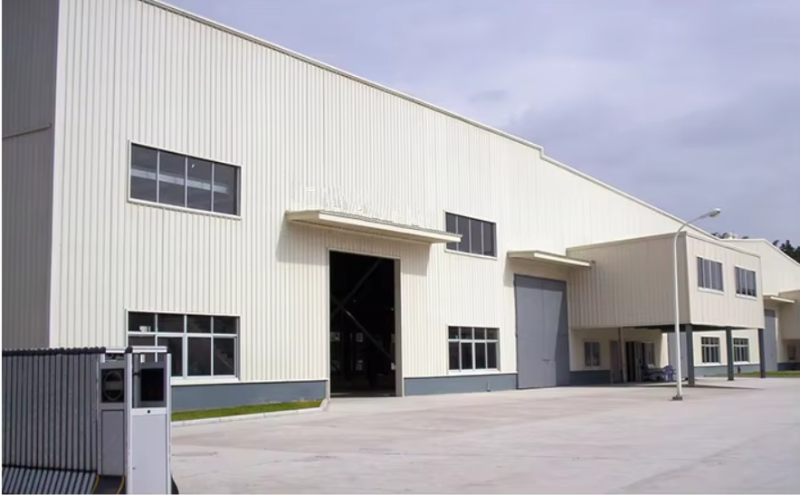
Founded in 2018 and headquartered in the historic manufacturing hub of Yangzhou, Jiangsu Province, HEBEI AOWTE IMP & EXP CO., LTD operates as a premium sourcing and manufacturing partner. Over the years, we have cultivated long-term partnerships with hundreds of advanced production facilities to provide rapid response times, highly competitive pricing, and streamlined import-export procedures.
While our core production expertise spans specialized sports collections—such as yoga lines (mats, blocks, balls) and professional juggling gear (diabolos, plates, clubs)—we function as an integrated, multi-disciplinary sporting goods sourcing agency. Our team sources, inspects, and supplies custom-engineered outdoor hardware, protective accessories, and sports components tailored to our clients' precise commercial needs.
Navigating cross-border trade requires more than just picking a factory. It demands a partner capable of executing rigorous quality checks, managing logistics, and providing customized design changes. We excel at providing:
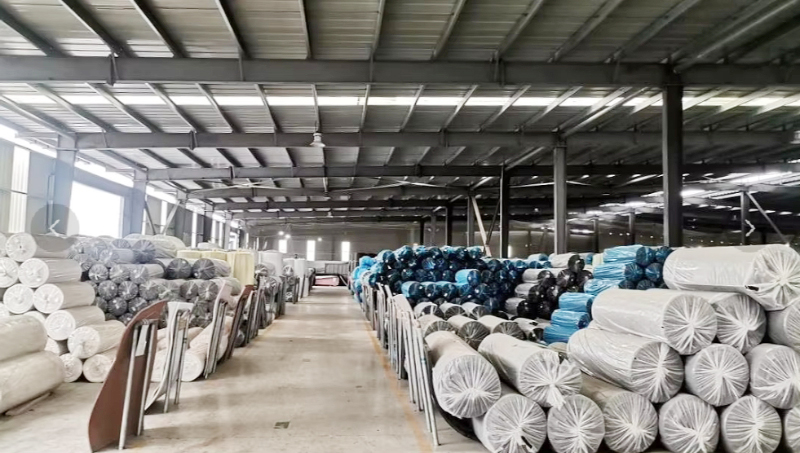
Ski poles must be engineered differently based on where and how they will be deployed. Explore the four core application scenarios below.
Expert technical answers addressing the most common sourcing, quality control, and engineering inquiries from B2B buyers.
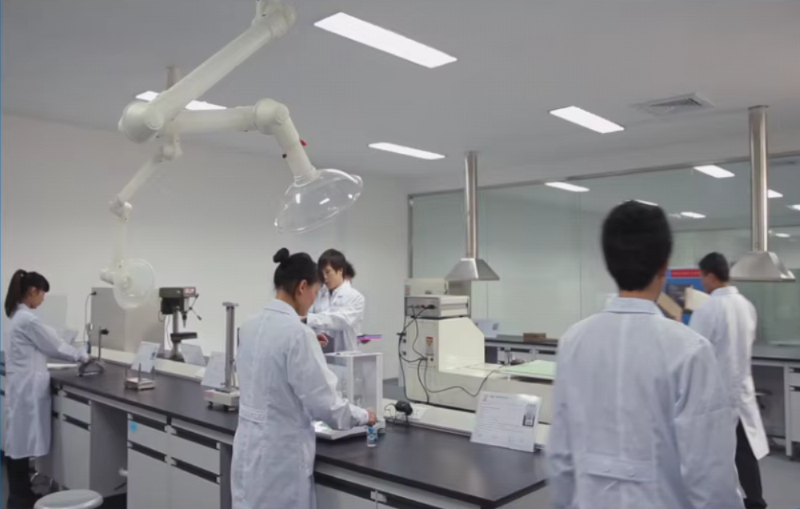
At our core, we believe our success is closely tied to the growth of our international clients. We offer complete supply chain transparency, regular production reports, and open lines of communication. By partnering with us, you gain access to a reliable sourcing team that handles product sourcing, custom packaging, and secure export shipping, saving you time and reducing operational costs.
For inquiries, wholesale pricing sheets, custom ODM designs, or shipping estimates, contact our Yangzhou office. We are ready to help you optimize your sports equipment inventory and supply chain.
Browse our broader range of commercial equipment, protection gear, and custom-manufactured accessories designed for international supply lines.
 IBL Sports